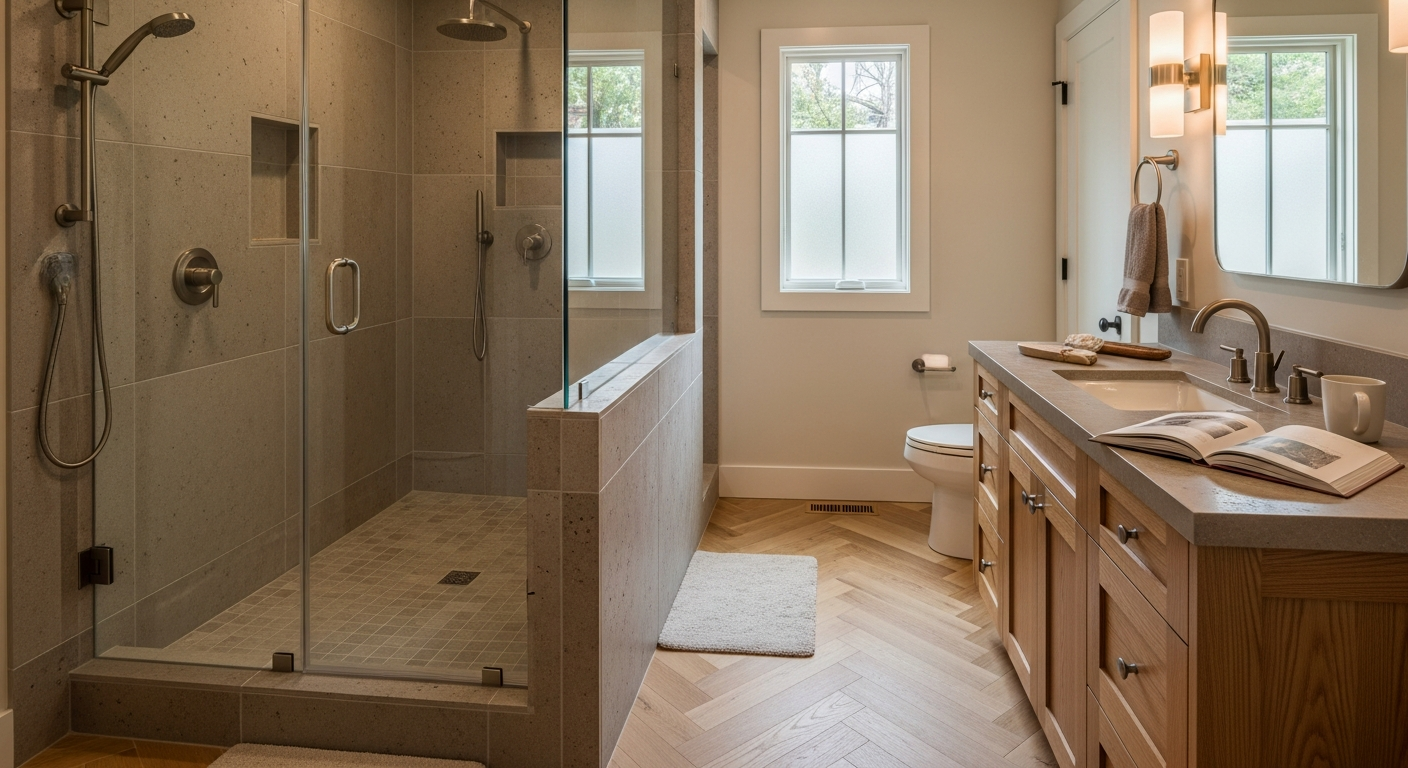
How Long Does a Bathroom Remodel Take in the Bay Area?
A bathroom remodel in the Bay Area takes between 6 and 14 weeks from demolition to final walkthrough, depending on scope, material lead times, and permit requirements. Based on our 116+ completed projects across Silicon Valley, a standard primary bathroom gut-renovation averages 10–12 weeks of active construction, while a cosmetic refresh can wrap up in as few as 4–6 weeks.
I'm Bar Benbenisty, founder of Barcci Builders (CA Contractor License #1086047), and I've personally overseen bathroom renovations in Los Gatos, Saratoga, Palo Alto, and throughout the Peninsula. The single most common question I hear is: "How long is this actually going to take?" Homeowners deserve a realistic, week-by-week breakdown — not vague promises — so that's exactly what I'm going to give you here.
Before we dive into the timeline, understand that every bathroom remodel falls into one of three broad categories, and the category determines your schedule:
- Cosmetic Refresh — New vanity, fixtures, paint, mirror, lighting. No wall or plumbing changes. Typical duration: 4–6 weeks.
- Standard Gut Renovation — Full demo to studs, new tile, shower/tub, plumbing, electrical, and finishes. Typical duration: 8–12 weeks.
- Luxury or Expansion Remodel — Structural changes, moving walls, adding square footage, radiant floor heat, custom cabinetry, and premium stone. Typical duration: 12–16+ weeks.
The timeline below focuses on the most common scenario we see across Silicon Valley: a full gut renovation of a primary or guest bathroom in an existing home, typically 60–120 square feet.
Week-by-Week Bathroom Remodel Timeline for 2026
Here is the week-by-week bathroom remodel timeline our team at Barcci Builders follows on a standard gut renovation in 2026. This schedule is based on our real project data from homes in Los Altos, Cupertino, Menlo Park, and surrounding communities.
Pre-Construction Phase (Weeks –8 to –1): Design, Permits, and Material Ordering
This phase happens before any hammers swing, and it's the phase most homeowners underestimate. As someone who's completed over 116 remodels across the Bay Area, the single biggest mistake I see homeowners make is not allowing enough time for design decisions and material procurement before construction begins.
- Weeks –8 to –6: Design and Planning. Finalize layout, select fixtures, tile, vanity, and hardware. Our team uses 3D design renderings so clients see their bathroom before we demo anything. This typically takes 2–3 weeks of active collaboration.
- Weeks –6 to –4: Permit Submittal. In Santa Clara County, a bathroom remodel that moves plumbing or modifies electrical requires a building permit. Permit approval in Santa Clara County currently takes 4–8 weeks for residential projects. San Mateo County is similar, averaging 3–6 weeks. We submit permits while you finalize material selections.
- Weeks –5 to –1: Material Ordering. This is critical in 2026. Lead times for popular items like Dekton Kreta countertops run 3–4 weeks. Custom vanity cabinetry from brands like Restoration Hardware or custom millwork shops takes 6–10 weeks. Imported zellige tile from Morocco can take 4–6 weeks. We align all deliveries with our construction start date so nothing stalls the project.
Week 1: Demolition and Discovery
Demo day is when the project truly begins. Our crew protects adjacent rooms with dust barriers and floor protection, then strips the bathroom down to studs, subfloor, and joists. A standard bathroom demo takes 2–3 days.
What to expect: Noise, dust (contained), and sometimes surprises. In about 30% of our Bay Area projects — especially in older Los Gatos and Saratoga homes built before 1980 — we discover hidden issues during demo: galvanized pipes, subfloor water damage, outdated electrical wiring, or even asbestos in tile mastic. Our contracts include a transparent change-order process for any unforeseen conditions.
Week 2: Rough Plumbing and Electrical
Licensed plumbers and electricians rough in new supply lines, drain lines, vent stacks, and wiring. This is when we relocate fixtures if the layout is changing — for example, moving a toilet to accommodate a larger walk-in shower. If you're adding heated floors (radiant heat), the electrical mat or hydronic tubing is laid during this phase.
Inspection checkpoint: Santa Clara County requires a rough plumbing and rough electrical inspection before walls are closed. We schedule this at the end of Week 2.
Week 3: Structural Work, Framing, and Backing
Any framing modifications — niche framing for shower niches, blocking for grab bars, adjustments for new window sizes — happen now. We install cement board (Kerdi Board or equivalent) on shower walls and Denshield or similar moisture-resistant backer on remaining walls. The shower pan or linear drain system is also set during this week.
Weeks 4–5: Waterproofing, Tile, and Stone Installation
This is the most visually transformative phase. We apply Schluter Kerdi or Laticrete Hydro Ban waterproofing membrane to all wet areas — a step that is non-negotiable for long-term durability. Then tile installation begins.
In 2026, the most popular tile choices we're installing across Bay Area bathrooms include:
- Zellige tile — Handmade Moroccan clay tile with organic, imperfect edges. Stunning in shower surrounds and behind vanities.
- Large-format porcelain — 24×48" or larger slabs that minimize grout lines and create a sleek, modern look.
- Calacatta Viola marble — A dramatic white marble with purple-grey veining, very popular for vanity walls and shower benches in luxury Bay Area homes.
- Fluted tile or panels — Adding three-dimensional texture to vanity walls, a major 2026 trend.
Tile work is the most time-intensive trade in a bathroom remodel. A standard shower surround with a niche and floor tile takes 5–8 days. A full-bathroom stone slab installation may take longer.
Week 6: Vanity, Countertop, and Fixture Rough-In
The vanity is set, and countertop templating happens (if using stone). Many of our clients in 2026 are choosing rift-cut white oak vanities — either floating or freestanding — paired with Dekton, quartzite, or honed marble tops. Integrated finger pulls on drawers keep the silhouette clean. We rough-in the faucet, toilet flange, and shower valve trim during this week.
Weeks 7–8: Painting, Trim, and Fixture Installation
Walls are painted (or finished with hand-applied plaster or microcement — both trending heavily in 2026). Door trim, baseboards, and any millwork are installed. Then the finish fixtures go in:
- Faucets (unlacquered brass from brands like Waterworks, California Faucets, or Newport Brass is the top 2026 finish choice)
- Showerhead and hand shower
- Toilet (wall-hung Toto or Duravit models are popular for their clean lines)
- Towel bars, robe hooks, toilet paper holder
- Mirror and sconces
- Glass shower enclosure (custom frameless glass typically has a 2–3 week lead time and is measured after tile is complete)
Weeks 9–10: Glass, Final Details, and Punchlist
The frameless glass shower enclosure is installed. Final grout sealing, caulking, and silicone work is completed. We do an internal quality walkthrough before scheduling your final walkthrough. Any punchlist items — a paint touch-up, a minor adjustment to cabinet hardware — are addressed immediately.
Final inspection: Santa Clara County requires a final building inspection to sign off on plumbing, electrical, and overall code compliance. We coordinate this so it doesn't delay your move-in.
How Much Does a Bathroom Remodel Cost in the Bay Area in 2026?
A bathroom remodel in the Bay Area costs between $45,000 and $175,000+ in 2026, depending on scope, square footage, and material selections. Based on our 2026 project data at Barcci Builders, here is what homeowners across Silicon Valley are actually spending:
| Remodel Scope | Typical Size | Bay Area Cost Range (2026) | Average Timeline |
|---|---|---|---|
| Cosmetic Refresh (fixtures, paint, vanity) | 40–80 sq ft | $18,000–$40,000 | 4–6 weeks |
| Standard Guest Bath Gut Renovation | 40–60 sq ft | $45,000–$75,000 | 6–10 weeks |
| Primary Bathroom Gut Renovation | 80–120 sq ft | $75,000–$130,000 | 10–14 weeks |
| Luxury Primary Suite with Expansion | 120–200+ sq ft | $130,000–$250,000+ | 14–20 weeks |
Why are Bay Area bathroom remodels more expensive than national averages? Three reasons: labor costs (skilled tradespeople in Santa Clara and San Mateo counties command $65–$120/hour depending on trade), permit and code requirements (California Title 24 energy compliance adds both cost and time), and material expectations (our clients typically select premium fixtures from brands like Kohler, Toto, Waterworks, and Brizo rather than builder-grade options).
For a deeper look at what's possible, visit our bathroom renovation service page to see examples from our portfolio.
What Causes Delays in a Bathroom Renovation Timeline?
The most common cause of bathroom remodel delays in the Bay Area is late material arrivals, followed closely by permit processing times and unforeseen structural issues discovered during demolition. Based on our project data, roughly 25% of bathroom renovations experience at least one delay of 1–2 weeks. Here are the specific culprits and how we mitigate each one:
1. Material Lead Times
Custom vanities, imported tile, specialty stone, and frameless glass enclosures all have lead times that can range from 3 to 12 weeks in 2026. The fix: order everything during the design phase, before construction starts. At Barcci Builders, we don't begin demo until all critical materials are either on-site or confirmed for delivery within the first two weeks of construction.
2. Permit Processing
Permit approval in Santa Clara County currently takes 4–8 weeks for residential bathroom remodels. In San Mateo County, expect 3–6 weeks. If your project requires a planning review (for example, adding a window that changes the exterior appearance), add another 2–4 weeks. We submit permits immediately after design approval to run this timeline in parallel with material procurement.
3. Unforeseen Conditions Behind Walls
Older homes in neighborhoods like Downtown Los Gatos, Professorville in Palo Alto, and Old Mountain View frequently reveal surprises during demo: corroded galvanized plumbing, insufficient subfloor structure, mold from past leaks, or knob-and-tube wiring. Our contracts include a contingency allowance — we recommend 10–15% of total budget — specifically for these situations.
4. Homeowner Decision Delays
This one is entirely preventable. Changing your tile selection mid-project, second-guessing the vanity layout after framing is complete, or not being available for timely approvals can each add 1–3 weeks. Our 3D design rendering process virtually eliminates mid-project design changes because you've already seen — and approved — every detail before construction begins.
5. Inspection Scheduling
County inspectors in Santa Clara County can sometimes take 3–7 business days to schedule. We plan for this by booking inspections the moment a phase is near completion, keeping the project moving without dead time.
Bathroom Remodel Timeline: Cosmetic Refresh vs. Full Gut Renovation
A cosmetic bathroom refresh takes 4–6 weeks while a full gut renovation takes 8–14 weeks — and the difference goes far beyond just timeline. Here's a side-by-side comparison so you can determine which approach fits your situation:
| Factor | Cosmetic Refresh | Full Gut Renovation |
|---|---|---|
| Timeline | 4–6 weeks | 8–14 weeks |
| Cost (Bay Area 2026) | $18,000–$40,000 | $55,000–$175,000+ |
| Permits Required | Usually not (unless electrical changes) | Yes — plumbing, electrical, building |
| Layout Changes | No — everything stays in place | Yes — can move plumbing, walls, fixtures |
| Walls Opened | No | Yes — down to studs |
| New Plumbing/Electrical | Minimal (swap fixtures only) | Full replacement and code upgrade |
| Waterproofing | Surface-level (recaulking) | Full membrane system (Kerdi, Hydro Ban) |
| Tile Work | Possible overlay or partial retile | Full demo and new tile on backer board |
| ROI / Home Value Impact | Moderate refresh feel | High — transforms the space entirely |
| Best For | Homes being sold within 1–2 years; bathrooms in decent structural condition | Forever homes; bathrooms with outdated plumbing, layout issues, or water damage |
For Silicon Valley homeowners who plan to stay in their home long-term, I almost always recommend the full gut renovation. You're already investing in permits, design, and disruption — going halfway means you may need to redo the work in 5–10 years. And if you're tackling the primary suite, consider pairing your bathroom renovation with a whole-house remodel to consolidate construction timelines and save on general conditions costs.
2026 Bay Area Bathroom Design Trends That Affect Your Timeline
The design choices you make directly influence your bathroom remodel timeline — some of the hottest 2026 trends require specialized installation techniques and longer lead times. Here's what our team is building right now and how each trend impacts scheduling:
Microcement and Hand-Applied Plaster Walls
Microcement (also called tadelakt or Venetian plaster depending on the technique) creates a seamless, waterproof surface with organic texture. It's stunning in showers and on walls, but it requires 3–5 coats with drying time between each. Timeline impact: adds 3–5 days compared to standard paint.
Zellige Tile
The irregular, handmade surface of Moroccan zellige tile requires more skilled labor and careful installation than machine-made tile. Each piece is slightly different in thickness, so setting takes 30–40% longer. Timeline impact: adds 2–4 days for a standard shower surround. Lead time for imported zellige: 4–6 weeks.
Plaster Range Hoods and Organic Shapes
While more common in kitchens, the organic-shape plaster aesthetic is now influencing bathroom design. Curved shower entries, arched niches, and sculptural vanity mirrors all require custom framing and finish work. Timeline impact: adds 1–2 weeks for structural and finish elements.
Heated Floors (Radiant Heat)
Electric radiant floor heating mats from Schluter Ditra-Heat or NuHeat are standard in about 65% of our 2026 Bay Area bathroom projects. Timeline impact: minimal — adds only 1 day when installed by experienced electricians during the rough-in phase.
Unlacquered Brass and Specialty Hardware
Unlacquered brass fixtures from Waterworks, California Faucets, or Newport Brass are the dominant hardware finish in 2026 Silicon Valley bathrooms, replacing polished nickel and matte black. Timeline impact: minimal to construction, but lead times of 4–8 weeks for custom finishes. Order early.
Floating Vanities in Rift-Cut White Oak
Rift-cut white oak has become the definitive wood species for Bay Area bathroom vanities in 2026. Floating (wall-mounted) installation requires proper blocking in the framing phase. Custom vanities from local millwork shops take 6–10 weeks to fabricate. Timeline impact: no added construction time if blocking is done during framing, but requires advance ordering.
The key takeaway: if you want to incorporate these design-forward elements, work with a contractor who plans material procurement and construction sequencing together. That's exactly how our design-build approach at Barcci Builders works — we manage design, materials, and construction under one roof so nothing falls through the cracks.
How to Prepare for Your Bathroom Remodel: A Homeowner's Checklist
Proper preparation can shave 1–2 weeks off your total bathroom remodel timeline and significantly reduce stress. Here's the homeowner checklist we share with every Barcci Builders client before construction day:
8–10 Weeks Before Demo
- Finalize all design decisions. Tile, vanity, countertop, fixtures, hardware, paint color, grout color — everything. Use your contractor's 3D renderings to validate the design.
- Order long-lead materials. Custom vanity, specialty tile, stone slabs, glass enclosure. Our team handles procurement, but we need your sign-off to order.
- Confirm permit status. Ensure your contractor has submitted permits and knows the expected approval date.
2–4 Weeks Before Demo
- Set up an alternate bathroom. If you're renovating your only bathroom, discuss portable solutions or plan to use a gym or neighbor's bathroom. If you have a secondary bath, stock it with essentials.
- Clear the construction zone. Remove personal items, medications, towels, and anything stored in the bathroom. Clear a path from the exterior to the bathroom for material and debris hauling.
- Discuss parking and access. Our crews need reliable driveway or street parking access for trucks and material deliveries. In neighborhoods like Downtown Los Gatos or Willow Glen in San Jose, street parking can be limited — coordinate in advance.
Week of Demo
- Protect adjacent areas. Your contractor should install dust barriers, but you can help by moving fragile items from nearby rooms.
- Confirm communication plan. Know who your point of contact is (at Barcci Builders, every client gets a dedicated project manager), how often you'll receive updates, and how decisions will be communicated.
- Review the construction schedule. Your contractor should provide a detailed Gantt chart or phase schedule. If they can't, that's a red flag.
Whether your home is in Campbell, Mountain View, or San Mateo, this preparation checklist applies. The better prepared you are, the smoother your renovation will go.
Frequently Asked Questions
How long does a bathroom remodel take from start to finish?
A bathroom remodel takes 6–14 weeks from demolition to final walkthrough for a standard gut renovation. Based on our 116+ completed Bay Area projects at Barcci Builders, a primary bathroom averaging 80–120 square feet takes 10–12 weeks of active construction. A cosmetic refresh (new fixtures, vanity, paint, no layout changes) can be completed in 4–6 weeks. Add 6–10 weeks of pre-construction time for design, permitting, and material ordering before any construction begins.
How much does a bathroom remodel cost in the Bay Area in 2026?
A bathroom remodel in the Bay Area costs between $45,000 and $175,000+ in 2026. A cosmetic guest bathroom refresh runs $18,000–$40,000. A standard guest bath gut renovation costs $45,000–$75,000. A full primary bathroom gut renovation runs $75,000–$130,000. Luxury primary suite renovations with expansion or structural work range from $130,000–$250,000+. These figures are based on our 2026 project data from homes in Los Gatos, Saratoga, Palo Alto, Los Altos, and throughout Silicon Valley.
Do I need a permit for a bathroom remodel in Santa Clara County?
Yes, you need a building permit in Santa Clara County for any bathroom remodel that involves changes to plumbing, electrical, or structural elements. This includes moving a toilet, adding a new shower valve, replacing an electrical panel circuit, or removing a wall. Cosmetic work — such as replacing a vanity on existing plumbing, painting, or swapping a mirror — typically does not require a permit. Permit approval in Santa Clara County currently takes 4–8 weeks for residential projects. San Mateo County Building Department processes similar permits in 3–6 weeks.
Can I use my bathroom during a remodel?
No, you cannot use the bathroom being remodeled during construction. The space will be completely gutted, without functional plumbing or electricity, for the majority of the project. We strongly recommend setting up an alternate bathroom before demo begins. If you're remodeling your only bathroom, some homeowners arrange to use a gym facility, a neighbor's bathroom, or a temporary portable restroom. Most of our Bay Area clients have at least one secondary bathroom to use during the renovation.
What is the most expensive part of a bathroom remodel?
The most expensive part of a bathroom remodel is typically the tile and stone work, which accounts for 25–35% of the total project cost. This includes materials (tile, stone slabs, waterproofing membrane) and the skilled labor to install them. In the Bay Area in 2026, experienced tile setters charge $65–$95 per hour, and a full shower surround with floor tile can take 8–12 labor days. The second most expensive category is plumbing, especially if you're relocating fixtures or upgrading supply and drain lines. Custom cabinetry and premium fixtures (Waterworks, Kohler, Toto) round out the top cost drivers.
How long does tile installation take in a bathroom?
Tile installation in a standard bathroom takes 5–10 working days, depending on the tile type, pattern complexity, and square footage. A straightforward subway tile shower surround takes approximately 5–6 days including prep, setting, and grouting. Handmade zellige tile takes 30–40% longer due to thickness variations. Large-format porcelain slabs (24×48" or bigger) require special handling equipment but can reduce total tile days by 1–2 since there are fewer individual pieces. Our 2026 project data shows the average Bay Area bathroom uses 120–200 square feet of tile when you include shower walls, floor, and accent areas.
What bathroom remodel can you do in 2 weeks?
In 2 weeks of active construction, you can complete a limited cosmetic bathroom refresh: replacing the vanity and countertop on existing plumbing, installing a new toilet, swapping light fixtures, adding a new mirror, painting walls, and replacing hardware. You cannot complete a full tile shower renovation, plumbing relocation, or any work requiring permits and inspections in just 2 weeks. Be cautious of contractors who promise a full gut renovation in 2 weeks — that timeline almost always results in cut corners, especially on waterproofing and tile work.
Should I remodel my bathroom before selling my house in the Bay Area?
It depends on the condition of the existing bathroom and your local market. In competitive Bay Area markets like Los Gatos, Palo Alto, and Saratoga, an updated primary bathroom can increase sale price by 4–7% according to 2025–2026 real estate data. A cosmetic refresh ($18,000–$40,000) typically offers better ROI for resale than a full gut renovation, since buyers in the $2M+ range often want to customize the space themselves. If your bathroom has visible water damage, dated pink tile, or non-functional features, even a moderate refresh is worth the investment. Consult with both your real estate agent and a licensed contractor to assess the cost-to-value ratio for your specific home.