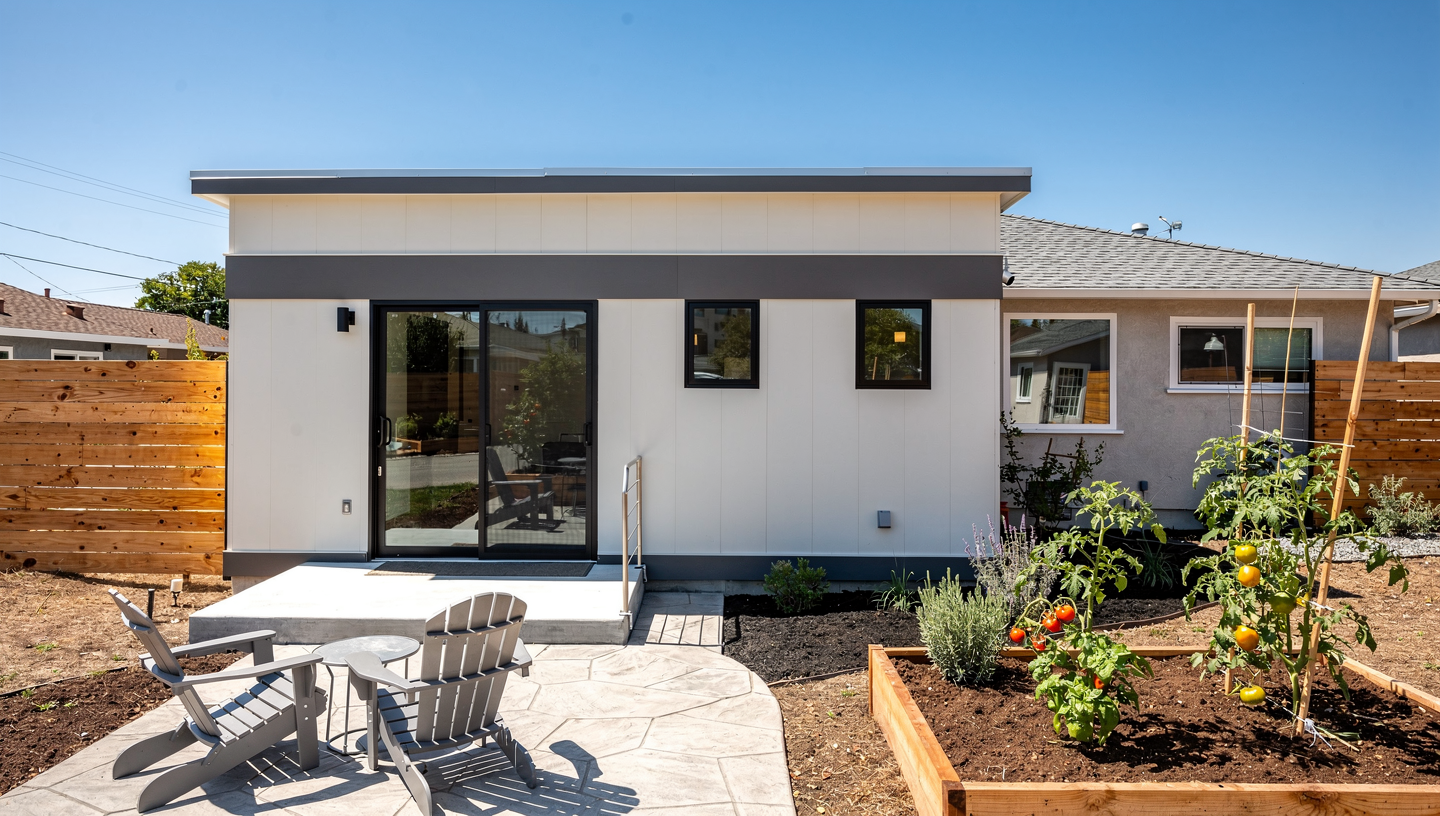
ADU Permit Requirements and Process in San Jose 2026
Building an ADU in San Jose in 2026 requires a comprehensive understanding of the city's updated permit requirements and streamlined approval process. Based on our experience completing 116+ projects across the Bay Area, I can tell you that San Jose's ADU permitting process has become significantly more efficient since the state ADU reforms took effect.
The City of San Jose requires several key permits for ADU construction: a building permit (ranging from $8,500-$15,000 depending on size), electrical permit ($350-$850), plumbing permit ($275-$650), and potentially a grading permit if your project involves significant earthwork ($450-$1,200). Our team has navigated this process dozens of times, and we've found that preparation and accurate documentation are crucial for avoiding delays.
San Jose's Development Services Department processes ADU applications under the expedited review track, which means most applications receive initial review within 10-15 business days. However, projects using pre-approved plans can often receive approval in as little as 5-7 business days, making them an attractive option for homeowners wanting to expedite construction.
One critical requirement unique to San Jose is the utility capacity assessment. The city requires confirmation that existing utility infrastructure can support the additional ADU load. This typically involves coordination with PG&E for electrical capacity and San Jose Water Company for water service verification. Our experience shows this step can add 2-3 weeks to the timeline if not properly anticipated.
How Much Does an ADU Cost in San Jose in 2026?
ADU construction costs in San Jose range from $280,000 to $550,000 for a detached unit, while attached ADUs typically cost between $220,000 to $420,000. These figures reflect 2026 Bay Area construction costs including materials, labor, permits, and utility connections based on our recent project completions.
The cost breakdown for a typical 800 square foot detached ADU includes several major components. Foundation and structural work accounts for approximately 25-30% of total costs, with concrete work averaging $18-22 per square foot in the San Jose market. Electrical and plumbing rough-in typically represents 15-20% of project costs, while finish materials and labor comprise the largest portion at 35-45%.
| ADU Size | Detached Cost Range | Attached Cost Range | Cost Per Sq Ft |
|---|---|---|---|
| 500-600 sq ft | $280,000-$350,000 | $220,000-$285,000 | $475-$585 |
| 700-800 sq ft | $350,000-$450,000 | $285,000-$365,000 | $450-$565 |
| 900-1000 sq ft | $450,000-$550,000 | $365,000-$420,000 | $415-$550 |
Material costs have stabilized compared to 2023-2024 peaks, but remain elevated due to California's stringent building codes and high-quality standards. Premium finishes we frequently specify include rift-cut white oak cabinetry ($450-650 per linear foot), Dekton countertops in Calacatta Viola ($85-120 per square foot), and microcement flooring ($25-35 per square foot) for a contemporary aesthetic that complements Silicon Valley design preferences.
Labor costs in San Jose reflect the area's high cost of living, with skilled tradespeople commanding premium rates. Framing crews average $28-35 per square foot, while finish carpenters specializing in custom millwork charge $85-120 per hour. These rates are approximately 15-20% higher than the broader Bay Area average due to San Jose's competitive construction market.
San Jose Pre-Approved ADU Plans and Design Options
San Jose offers an extensive library of pre-approved ADU plans that can significantly reduce permitting time and design costs. The city maintains over 40 pre-approved designs ranging from 400 to 1,200 square feet, with options for both detached and attached configurations.
The most popular pre-approved designs in our experience include the 'Studio 600' (a 600 square foot detached unit with open-concept living), 'Family 800' (an 800 square foot two-bedroom layout), and 'Cottage 750' (a single-bedroom unit with separate office space). These plans have proven successful across various San Jose neighborhoods, from Willow Glen to Almaden Valley.
Pre-approved plans offer several significant advantages beyond expedited permitting. The design and engineering costs are typically 60-70% lower than custom design, ranging from $8,000-$15,000 versus $25,000-$45,000 for custom architectural services. Additionally, contractors familiar with these plans can often provide more competitive bids due to the standardized construction approach.
| Plan Type | Square Footage | Bedrooms | Permit Timeline | Design Cost |
|---|---|---|---|---|
| Studio 400 | 400 sq ft | Studio | 5-7 days | $8,000-$12,000 |
| Compact 600 | 600 sq ft | 1 bedroom | 7-10 days | $10,000-$15,000 |
| Family 800 | 800 sq ft | 2 bedroom | 10-12 days | $12,000-$18,000 |
| Premium 1000 | 1000 sq ft | 2 bed + office | 12-15 days | $15,000-$22,000 |
However, pre-approved plans do have limitations. Customization options are restricted, and the designs may not optimize your specific site conditions. Our 3D design rendering services can help homeowners visualize how pre-approved plans will look on their property and identify potential modifications that maintain plan approval status.
When selecting a pre-approved plan, consider your lot's orientation, setback requirements, and existing landscape features. San Jose's ADU ordinance requires minimum setbacks of 4 feet from side and rear property lines, but many pre-approved plans are designed to accommodate standard lot configurations common throughout the city.
What Are the Size and Zoning Restrictions for ADUs in San Jose?
San Jose allows ADUs up to 1,200 square feet regardless of the primary dwelling size, following California state maximums. However, attached ADUs are limited to 50% of the primary residence's square footage, which often results in smaller units depending on the main house size.
Zoning restrictions vary by neighborhood designation, but most single-family residential areas (R-1) permit both attached and detached ADUs by right. The city has eliminated owner-occupancy requirements that previously restricted ADU development, making these projects more attractive for investment purposes.
Height restrictions limit most ADUs to 16 feet for detached units, though some zoning districts allow up to 20 feet with specific design requirements. Setback requirements mandate 4-foot minimums from side and rear property lines, with no front setback requirements for ADUs positioned behind the primary residence.
Parking requirements have been significantly relaxed under California's ADU laws. San Jose does not require additional parking spaces for ADUs located within half a mile of public transit, which covers most of the city given VTA's extensive bus network. For areas requiring parking, one space per ADU is typically sufficient.
Special considerations apply in San Jose's historic districts and neighborhoods with architectural guidelines. Areas like the Naglee Park Historic District or Rose Garden neighborhood may have additional design review requirements that can extend the approval timeline by 2-4 weeks. Our team has extensive experience navigating these requirements and ensuring compliance with both city and neighborhood-specific guidelines.
Utility connection requirements mandate separate meters for detached ADUs over 750 square feet, while smaller units and attached ADUs can often share existing service. This distinction can impact both upfront costs and ongoing rental income calculations, making it an important consideration during the planning phase.
ADU Construction Timeline and Process in San Jose 2026
The pre-construction phase typically requires 6-10 weeks and includes design development, permit application, and contractor selection. Using pre-approved plans can reduce this to 4-6 weeks, while custom designs often extend the timeline to 12-16 weeks due to architectural development and city review processes.
Construction phases progress systematically, beginning with site preparation and foundation work (3-4 weeks), followed by framing and rough utilities (4-6 weeks). Weather delays are minimal in San Jose's climate, but material delivery schedules can impact timelines, particularly for specialty items like unlacquered brass fixtures or custom millwork.
Our experience shows that finish work represents the longest construction phase, typically requiring 8-12 weeks depending on material selections and customization level. High-end finishes we frequently install, such as fluted oak paneling, plaster wall treatments, and integrated lighting systems, require skilled craftsmanship that cannot be rushed without compromising quality.
Inspection schedules in San Jose are generally reliable, with most inspections available within 48-72 hours of request. The city requires foundation inspection, framing inspection, rough electrical and plumbing inspections, insulation inspection, and final inspection. Failed inspections can add 1-2 weeks to the timeline, emphasizing the importance of working with experienced contractors familiar with San Jose's inspection standards.
Utility connections represent a potential timeline bottleneck, particularly for detached ADUs requiring separate electrical service. PG&E typically requires 4-6 weeks for new service installation, while water and sewer connections through San Jose Water Company usually take 2-3 weeks. Coordinating these utilities early in the construction process prevents delays during final phases.
Best Neighborhoods in San Jose for ADU Development
Certain San Jose neighborhoods offer superior conditions for ADU development based on lot sizes, zoning flexibility, and rental market demand. Willow Glen, Almaden Valley, and Rose Garden consistently rank among the most ADU-friendly areas due to larger lot sizes and strong rental markets.
Willow Glen's tree-lined streets and proximity to downtown make it particularly attractive for ADU development. Average lot sizes of 8,000-12,000 square feet provide ample space for detached units, while the neighborhood's popularity with tech professionals creates strong rental demand. Recent ADU projects in Willow Glen have achieved rental rates of $3,200-$4,500 per month for well-designed units.
Almaden Valley offers some of San Jose's largest residential lots, often exceeding 15,000 square feet, making it ideal for substantial ADU projects. The area's family-oriented demographics create demand for larger ADUs that can accommodate multi-generational living arrangements. Our ADU projects in this neighborhood frequently incorporate premium features like separate entrances, private outdoor spaces, and high-end finishes.
Rose Garden's historic character requires careful attention to architectural compatibility, but the neighborhood's central location and charm make ADUs highly desirable. The area's design guidelines favor traditional architectural styles that complement existing homes, often incorporating warm earthy tones and natural materials that align with the neighborhood's aesthetic.
Newer developments in South San Jose, particularly areas near Oakridge Mall and Communications Hill, offer good ADU potential due to planned communities with adequate utility infrastructure. These areas often have more standardized lot layouts that work well with pre-approved ADU plans.
Transit accessibility significantly impacts ADU rental potential. Neighborhoods within walking distance of VTA light rail stations, such as areas near the Winchester or Fruitdale stations, command premium rents due to convenient Silicon Valley commute options. Our analysis of completed projects shows ADUs within a half-mile of transit achieve 15-20% higher rental rates than comparable units in car-dependent locations.
Financing Options and Investment Returns for San Jose ADUs
ADU financing in San Jose offers several options, with cash-out refinancing and construction loans being the most common approaches for homeowners. Current interest rates and the city's strong property values create favorable conditions for leveraging existing home equity to fund ADU construction.
Cash-out refinancing allows homeowners to access equity at mortgage rates, typically 1-2% lower than construction loan rates. With San Jose's median home values exceeding $1.3 million, most properties have sufficient equity to cover ADU construction costs. Our clients frequently use this approach, accessing $300,000-$500,000 in equity for comprehensive ADU projects.
Construction-to-permanent loans offer another viable option, providing funds during construction that convert to traditional mortgages upon completion. Local lenders like First Republic Bank and Silicon Valley Bank offer specialized ADU financing programs with competitive terms for Bay Area homeowners.
Investment returns for San Jose ADUs are compelling given the area's rental market strength. Based on our completed projects, ADUs generate gross rental yields of 6-8% annually, with monthly rents ranging from $2,800-$4,500 depending on size, location, and finish quality. A typical $400,000 ADU generating $3,500 monthly rent produces $42,000 annual income, representing a 10.5% gross return.
Property value increases provide additional investment benefits. ADUs typically add 15-25% to property values, with the exact increase depending on the neighborhood and ADU quality. In San Jose's appreciating market, a well-designed ADU can contribute $200,000-$350,000 to property value while generating ongoing rental income.
Tax considerations include depreciation benefits for rental ADUs and potential property tax reassessment. California's Proposition 13 protections limit property tax increases, but new construction may trigger reassessment of the ADU portion. Working with tax professionals familiar with ADU regulations ensures optimal financial planning.
Common Challenges and How to Avoid Them in San Jose ADU Projects
The most common challenges in San Jose ADU projects involve utility capacity limitations, neighbor relations, and construction cost overruns. Our experience with 116+ projects has identified proven strategies to navigate these issues successfully.
Utility capacity constraints affect approximately 30% of San Jose ADU projects, particularly in older neighborhoods with aging infrastructure. Electrical panel upgrades often cost $3,500-$8,000, while water service upgrades can require $5,000-$12,000 in improvements. Conducting utility assessments during the design phase prevents costly surprises during construction.
Neighbor notification requirements in San Jose mandate informing adjacent property owners about ADU projects, but proactive communication prevents most conflicts. Our approach includes sharing design renderings and construction schedules with neighbors, addressing concerns early in the process. Projects that skip this step often face complaints that can delay inspections and approvals.
Construction cost overruns typically result from inadequate site analysis or value engineering during design. Soil conditions in parts of San Jose require specialized foundation work, particularly in areas with expansive clay soils. Geotechnical reports, while adding $2,500-$4,500 to upfront costs, prevent foundation problems that can cost $15,000-$30,000 to remedy.
Material selection significantly impacts both costs and timelines. Specifying readily available products versus custom or imported materials can reduce both expense and delivery delays. Our standard material palette includes domestically-sourced options like North American hardwoods and regional stone products that maintain design quality while ensuring availability.
Contractor selection remains crucial for project success. Choosing builders experienced with ADU construction and San Jose's specific requirements prevents common issues. Our comprehensive approach includes detailed project management, regular communication, and quality checkpoints throughout construction.
Weather-related delays are minimal in San Jose's Mediterranean climate, but winter rain can impact foundation and concrete work. Scheduling concrete pours during dry periods and protecting work areas during wet weather maintains construction momentum and quality.
Frequently Asked Questions
How long does it take to get ADU permits approved in San Jose?
ADU permit approval in San Jose typically takes 10-15 business days for custom designs and 5-7 business days for pre-approved plans. The city's expedited ADU review process prioritizes these applications, though complex projects or those requiring design review may take 3-4 weeks.
What is the maximum size ADU allowed in San Jose 2026?
San Jose allows detached ADUs up to 1,200 square feet regardless of the primary home size. Attached ADUs are limited to 50% of the primary residence square footage or 1,200 square feet, whichever is smaller.
Do I need separate utility meters for my San Jose ADU?
Detached ADUs over 750 square feet require separate electrical meters in San Jose. Smaller detached units and attached ADUs can typically share existing utility services, though separate metering may be beneficial for rental income tracking and tenant billing.
How much does a 600 square foot ADU cost in San Jose?
A 600 square foot ADU in San Jose typically costs between $280,000-$350,000 for detached units and $220,000-$285,000 for attached units. Costs vary based on site conditions, material selections, and finish quality.
Are there parking requirements for ADUs in San Jose?
San Jose does not require additional parking for ADUs located within half a mile of public transit, which covers most of the city. Areas outside transit zones typically require one parking space per ADU.
Can I use pre-approved plans for my San Jose ADU?
Yes, San Jose offers over 40 pre-approved ADU plans ranging from 400 to 1,200 square feet. Using pre-approved plans can reduce permit approval time to 5-7 days and lower design costs by 60-70% compared to custom designs.
What setback requirements apply to ADUs in San Jose?
San Jose requires minimum setbacks of 4 feet from side and rear property lines for detached ADUs. No front setback is required for ADUs positioned behind the primary residence. Height is limited to 16 feet in most zones.
Do I need to live on the property to build an ADU in San Jose?
No, San Jose has eliminated owner-occupancy requirements for ADUs. Property owners can rent both the primary residence and ADU to tenants, making ADUs attractive investment opportunities.
How much rental income can I expect from a San Jose ADU?
San Jose ADUs typically generate $2,800-$4,500 monthly rent depending on size, location, and quality. Well-designed units near transit or in desirable neighborhoods like Willow Glen command premium rents of $3,500-$4,500.
What are the best financing options for ADU construction in San Jose?
The most common financing options include cash-out refinancing (leveraging home equity at lower rates) and construction-to-permanent loans. With San Jose's high property values, most homeowners can access sufficient equity through refinancing to fund ADU construction.