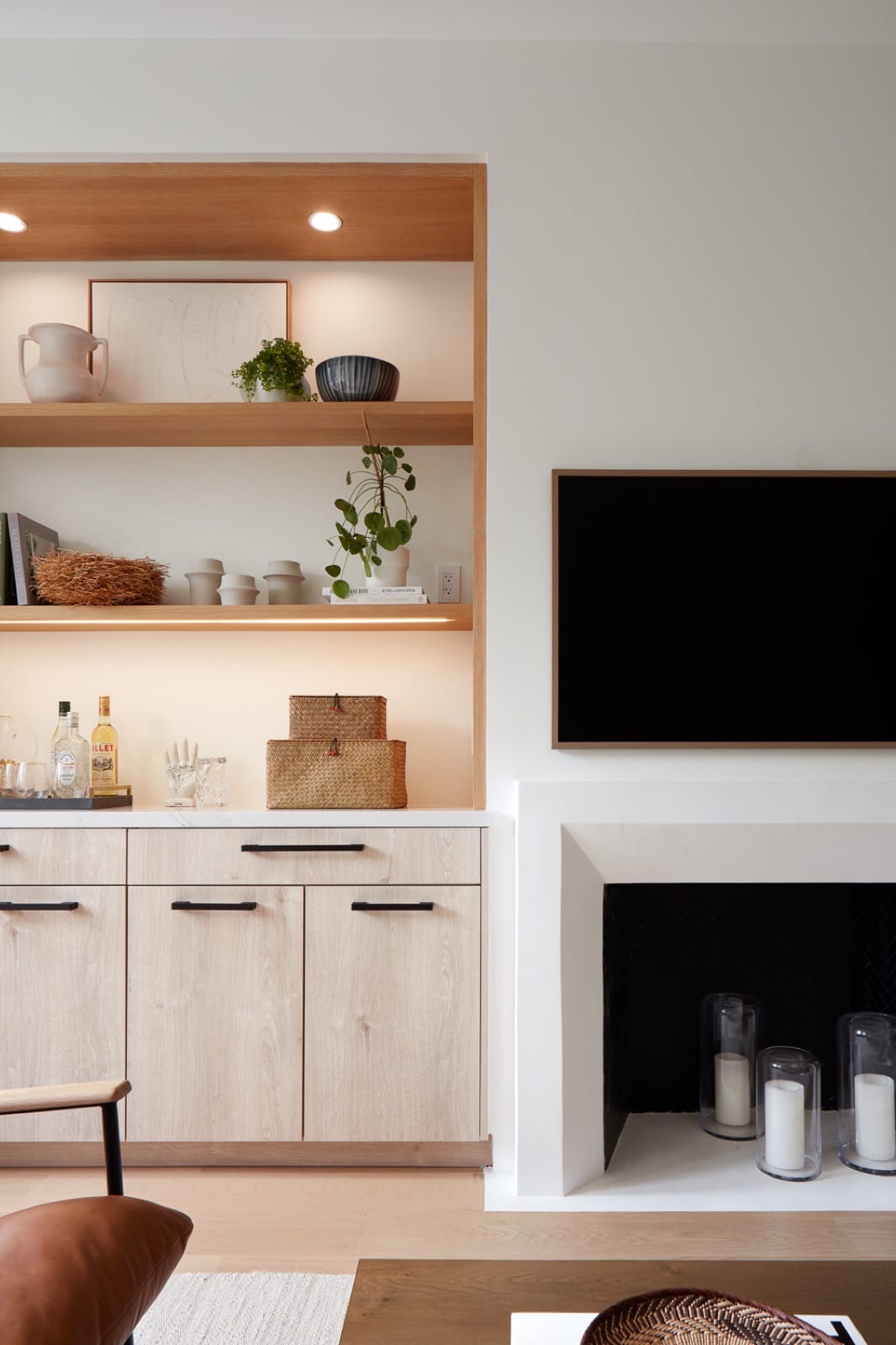
What You're Actually Paying For: ADU Cost Ranges in the Bay Area
After completing over 116 projects across the Bay Area and Silicon Valley, I've had this conversation hundreds of times: a homeowner calls, excited about building an ADU, and asks what it costs. The honest answer is that ADU costs in the Bay Area in 2026 range from roughly $180,000 to $650,000+, depending on type, size, finishes, and your specific city's permit requirements. That's a wide range, and I want to break it down so you can understand exactly where your project will land.
Here's the clearest way to think about it by ADU type:
- Garage Conversion ADU: $180,000 – $280,000 for a finished, permitted conversion of an existing attached or detached garage. This is generally the most cost-effective option because the structure already exists.
- Junior ADU (JADU): $80,000 – $160,000. These are carved out of existing living space — a bedroom suite or part of a home — and are capped at 500 sq ft. Permitting is simpler, but the work is still real.
- Detached ADU (new construction): $350,000 – $650,000+ for a fully new structure in the backyard, typically 600–1,200 sq ft. This is the most versatile but also the most expensive option.
- Attached ADU (addition): $280,000 – $480,000. An addition to the side or rear of your existing home. Costs are driven by foundation work, structural tie-ins, and roofline complexity.
These ranges reflect all-in costs — design, engineering, permits, construction, and finishes. A lot of contractors quote only hard construction costs and leave homeowners surprised by soft costs later. We never do that.
If you're in Los Gatos, Saratoga, or Atherton, expect your project to sit at the higher end of these ranges due to stricter design review, premium labor rates, and the complexity of working in established neighborhoods with mature landscaping and tight setbacks.
The Real Cost Drivers: Why Two Similar ADUs Can Differ by $200,000
When homeowners compare quotes and see wide variation, it's usually because they're not comparing the same scope. Here are the factors that most dramatically affect ADU cost in the Bay Area — and I'll be direct about what moves the needle most.
1. Site Conditions
This is the number one hidden cost driver. A flat, accessible backyard in Campbell with a simple soil report is very different from a sloped lot in Los Gatos Hills that requires a retaining wall, hillside foundations, and specialized drainage. We've seen site conditions alone add $60,000–$120,000 to a project. Before anyone gives you a firm number, the site needs to be assessed in person.
2. Utility Connections
Every ADU needs its own electrical panel, and most buyers want separate gas and water meters. In cities like Palo Alto and Menlo Park, utility connection fees from PG&E and local water districts can add $15,000–$40,000 to your project — before a single wall goes up.
3. Permit Fees and City Impact Fees
California state law has limited some ADU fees, but there's still variation by jurisdiction. In San Jose, permit fees for a 1,000 sq ft detached ADU typically run $12,000–$25,000. In smaller cities like Monte Sereno or Los Altos, fees tend to be lower but review timelines can be longer. Impact fees — which some cities waive for ADUs under 750 sq ft — can add $10,000–$30,000 if applicable.
4. Finishes and Specifications
This is where luxury ADUs separate from standard builds. Our clients in Los Altos and Woodside typically want their ADU to match the quality of the main house. That means rift-cut white oak floors, Dekton or quartzite countertops, Calacatta Viola marble in the bathroom, fluted cabinetry details, hand-applied plaster walls, unlacquered brass fixtures, and integrated finger-pull cabinetry. These finishes are beautiful and durable — but they add $60,000–$120,000 compared to builder-grade specifications.
5. Size and Complexity
A 500 sq ft studio ADU and a 1,200 sq ft two-bedroom ADU with a covered porch and outdoor kitchen are fundamentally different scopes. Every additional square foot adds cost, but so does complexity — vaulted ceilings, covered outdoor living areas, custom millwork, and high-end appliances like integrated induction cooktops all compound quickly.
City-by-City ADU Permit Reality Across the Bay Area
One of the most important things I tell every prospective client: where you live shapes your ADU project almost as much as what you want to build. Permit timelines, design standards, and fee structures vary meaningfully across the Bay Area. Here's what we've seen working across the region:
- San Jose: The city has a relatively streamlined ADU permit process thanks to pre-approved standard plans. Expect 3–6 months for permit approval on a detached ADU. Fees are moderate. San Jose is generally one of the more ADU-friendly jurisdictions we work in.
- Saratoga & Monte Sereno: These cities have design review requirements and are more protective of neighborhood character. Expect longer approval timelines (6–10 months) and higher scrutiny of exterior materials and massing. A cedar-clad ADU with natural stone veneer details tends to fare well in design review here.
- Los Gatos: Similar to Saratoga — the town values architectural compatibility. We've had great success here with ADUs that use warm earthy tones, herringbone wood floors, and exterior detailing that complements craftsman or Spanish-revival main homes.
- Palo Alto & Menlo Park: Strong housing demand, but also some of the highest utility connection costs in the region. Budget for PG&E capacity upgrades specifically in these areas.
- Cupertino & Sunnyvale: More predictable permit timelines. Cupertino and Sunnyvale have been improving ADU processing, and we typically see approvals in 4–7 months for straightforward projects.
- Hillsborough, Atherton, Woodside: High-end jurisdictions with design review boards. These communities expect premium construction quality and compatibility with large-lot estate properties. Budget accordingly — but the rental income and property value upside is also significant.
One important note on state law: California AB 68, SB 9, and related legislation have significantly loosened ADU restrictions statewide since 2020. Cities can no longer ban ADUs outright or impose unreasonable size limits. This has made the permitting environment more consistent, but local fee structures and design standards still create real variation in project cost and timeline.
ADU Design Trends Worth the Investment in 2026
Here's what we're seeing in our ADU home addition projects that genuinely adds value in 2026:
- Rift-cut white oak floors and cabinetry: The consistent grain pattern reads as timeless, not trendy. This is what high-end tenants and future buyers respond to immediately.
- Fluted details on kitchen islands and bathroom vanities: A tactile, architectural detail that elevates even modest spaces. We're using fluted white oak panels, fluted Dekton, and fluted plaster — all with great results.
- Hand-applied plaster walls and plaster range hoods: Instead of drywall paint, a skim-coat or Venetian plaster finish creates warmth and depth. Plaster range hoods — integrated into the kitchen architecture — are a signature detail in our higher-end ADUs right now.
- Zellige tile in bathrooms and kitchens: The irregular, handmade quality of zellige tile adds life to backsplashes and shower walls. We're pairing it with unlacquered brass fixtures for a warm, organic aesthetic.
- Microcement floors in bathrooms and laundry areas: Seamless, easy to maintain, and modern without being cold. Microcement eliminates grout lines, which matters in small ADU bathrooms.
- Cedar cladding and natural stone veneer on exteriors: These materials age beautifully and read as intentional architecture rather than a backyard box. They also tend to satisfy design review boards in cities like Saratoga and Los Gatos.
- Integrated finger pulls and induction cooktops: These are about simplicity and function in compact spaces. Induction cooking is essential in ADUs — faster, safer, and no gas line required in many cases.
- Organic shapes and Calacatta Viola marble: Curved kitchen islands, arched doorways, and a slab of Calacatta Viola as a focal point in the bathroom — these details photograph beautifully and command premium rental rates.
I want to be clear: not every one of these details belongs in every ADU. A garage conversion in Campbell that's targeting mid-market rental income should be built durably and cleanly, not over-specified. But if you're building a premium detached ADU in Los Altos or Saratoga to house family or as a long-term asset, investing in these finishes is smart economics.
ADU Construction Timeline: What to Expect Month by Month
Timeline is one of the most common sources of frustration in ADU projects. Homeowners hear "eight months" and assume that means eight months from the day they sign. It doesn't. Here's how a realistic ADU timeline breaks down from our experience managing projects across the Bay Area:
- Months 1–2: Design and Site Analysis. We start with a full site assessment, zoning verification, and 3D design and rendering so you can visualize the ADU before we submit anything to the city. This phase includes architectural drawings, structural engineering, and Title 24 energy compliance calculations.
- Months 2–5: Permit Submission and City Review. Most Bay Area cities take 60–120 days to review ADU plans. Some, like San Jose with pre-approved plans, move faster. Others, like Saratoga or Los Gatos with design review requirements, can take longer. We manage the permit process actively — responding to correction letters quickly is where projects get delayed or don't.
- Months 5–6: Pre-Construction. While permits are being finalized, we finalize subcontractor scheduling, order long-lead materials (custom cabinetry, stone slabs, specialty tile), and prepare the site. This parallel-path approach saves 4–8 weeks compared to waiting until permit approval to start procurement.
- Months 6–11: Construction. Ground-up detached ADUs typically take 4–6 months to build. Garage conversions run 3–4 months. Attached ADUs fall in the middle at 4–5 months. Complex sites with hillside conditions or major utility work add time.
- Month 11–12: Finishes, Inspections, and Certificate of Occupancy. Final inspections, punch list, and the Certificate of Occupancy (CO) that legally allows occupancy. We don't consider a project complete until the CO is in your hands.
Total realistic timeline from first conversation to move-in: 10–16 months for a detached ADU. Garage conversions and JADUs can move faster — 7–10 months in cooperative jurisdictions. Anyone promising you faster than this without a very specific, documented reason should be asked hard questions.
Financing Your ADU: How Bay Area Homeowners Are Paying for These Projects
- Home Equity Line of Credit (HELOC): The most common approach. With Bay Area homes often valued at $2M–$5M+, a HELOC can access $200,000–$500,000 at relatively favorable rates. The key is getting the HELOC approved before you need it — the process takes 30–60 days and shouldn't delay your project.
- Cash-out refinance: Less popular now given rate environments, but still viable for homeowners who purchased at very low rates and have specific cash needs.
- ADU-specific construction loans: Several lenders now offer products specifically designed for ADU construction in California. These are draw-based loans that fund as construction progresses. We can refer clients to lenders we've worked with who understand ADU project structures.
- Rental income underwriting: Some lenders will underwrite future ADU rental income as part of the loan qualification process, which improves debt-to-income ratios. This is increasingly common and worth exploring with a mortgage broker who specializes in California investment properties.
On the return side: detached ADUs in Los Gatos, Saratoga, and Los Altos are renting for $3,500–$5,500/month for well-finished one-bedroom units in 2026. At $4,000/month, a $400,000 ADU generates roughly $48,000/year in gross rental income — a gross yield around 12%, before expenses. Even accounting for vacancy and maintenance, these are strong numbers. And that doesn't include the property value appreciation that a permitted, legal ADU adds to your home at sale.
If you're considering an ADU as part of a broader property vision — potentially including a whole house remodel or landscaping and exterior upgrade — packaging the projects together often produces construction cost savings and a more cohesive finished property.
How to Evaluate ADU Contractors: What Separates Quality from Risk
I'm going to be direct here, because I've seen too many homeowners get burned by the wrong contractor on an ADU project. These projects are complex, permit-heavy, and long. The contractor you choose will be in your backyard and on your project for 10–16 months. Here's how to evaluate them properly:
- Verify the license. California Contractor State License Board (CSLB) licenses are public. Look up any contractor you're considering at cslb.ca.gov. Our license is #1086047. An unlicensed contractor on a permitted project creates serious legal and financial exposure for the homeowner.
- Ask for completed ADU references in your city specifically. Permitting requirements are local. A contractor with 50 ADUs in San Jose may have never dealt with Los Gatos design review. Ask for references in your jurisdiction and call them.
- Understand what the quote includes. Ask specifically: Does this include permit fees? Engineering? Title 24? Utility connection costs? Landscaping restoration after construction? A lot of low quotes exclude soft costs that will add $50,000–$80,000 to the final number.
- Ask about their design process. Do they offer in-house design, or are you responsible for hiring an architect separately? We offer full 3D design and rendering as part of our process, which means you see the finished ADU before a permit is submitted. This prevents costly changes mid-construction.
- Look at their portfolio honestly. Not renderings — finished projects. Do the kitchens and bathrooms reflect current design quality? Are the details crisp? Is the exterior architecture cohesive with the main home? A contractor who builds generic boxes may be fine for a basic rental unit. But if you're building a premium ADU in Los Gatos or Saratoga, the design quality matters for both rental rates and resale value.
- Ask about warranty and post-completion service. A one-year workmanship warranty is standard in California. Ask what the process is if something comes up in month 14. How do they handle it?
Our team at Barcci Builders has completed ADU projects ranging from simple garage conversions in San Jose to complex detached builds in Woodside with full landscape integration. Every project gets the same attention: in-house design, active permit management, and a single point of contact from start to Certificate of Occupancy. That's what we'd want if we were the homeowner — and it's what we deliver.
Frequently Asked Questions
What is the average cost to build an ADU in the Bay Area in 2026?
The all-in average cost for a detached ADU in the Bay Area in 2026 is $350,000–$550,000 for a typical 600–1,000 sq ft unit. Garage conversions run lower at $180,000–$280,000, while high-end detached ADUs with premium finishes in cities like Saratoga, Los Altos, or Woodside can reach $600,000–$700,000+. These figures include design, engineering, permits, construction, and finishes — not just hard construction costs. Always ask contractors to confirm what their quote covers.
How long does it take to build an ADU in the Bay Area?
From first conversation to Certificate of Occupancy, plan on 10–16 months for a detached ADU and 7–10 months for a garage conversion or JADU. The longest phase is typically permit approval, which takes 60–120+ days depending on the city. San Jose tends to be faster; cities like Saratoga, Los Gatos, and Hillsborough with design review requirements take longer. Working with a contractor who actively manages permit responses — rather than waiting passively — is one of the most meaningful ways to compress the timeline.
Do I need permits to build an ADU in California?
Yes, all ADUs require building permits in California. There is no legal path to an unpermitted ADU — and unpermitted ADUs create serious problems at sale, create homeowner liability, and can result in mandatory removal. The good news: California state law has significantly streamlined the permit process since 2020. Cities can no longer ban ADUs or impose unreasonable setback requirements. Most Bay Area cities now have a defined ADU approval process, and many offer pre-approved standard plans that can speed up simple projects.
What is the difference between an ADU and a JADU?
A Junior ADU (JADU) is carved out of existing living space within the main home and is capped at 500 square feet. It must include an efficiency kitchen and can share a bathroom with the main house. JADUs are typically less expensive ($80,000–$160,000) because they don't require new foundation or structure — but they're also more limited in size and configuration. A full ADU (attached or detached) is a completely independent dwelling unit with its own kitchen and bathroom, up to 1,200 sq ft or more depending on lot size and local regulations. Full ADUs command higher rents and have broader use cases.
Can I rent out my ADU in the Bay Area?
Yes. A permitted ADU can be legally rented as a long-term rental. In most Bay Area cities, short-term rentals (Airbnb-style) are subject to additional local regulations — some cities allow them, others restrict them. For long-term rentals, detached ADUs in well-located Bay Area cities like Los Gatos, Los Altos, Campbell, and Sunnyvale are generating $3,500–$5,500/month for quality one-bedroom units in 2026. Two-bedroom ADUs in premium locations command even more. At these rental rates, a well-built ADU can significantly offset your mortgage while adding meaningful long-term property value.
What ADU finishes actually increase rental value and resale value?
Based on our project experience, the finishes that most consistently drive premium rental rates and buyer interest are: hardwood or engineered wood floors (rift-cut white oak performs particularly well), quartz or Dekton countertops, quality appliances including induction cooktops, tiled showers (zellige or large-format stone), and well-designed storage. Exterior finishes like cedar cladding or natural stone veneer significantly improve curb appeal and design review outcomes. Hand-applied plaster walls and fluted cabinetry details are increasingly standard in premium ADUs. The key is matching finish quality to your market — a premium ADU in Saratoga should look different from a functional rental in Milpitas.
How do ADU permit fees vary across Bay Area cities?
Permit fees vary meaningfully by city and project scope. For a 1,000 sq ft detached ADU, here are rough ranges based on our recent projects: San Jose $12,000–$22,000; Campbell and Sunnyvale $10,000–$18,000; Los Gatos and Saratoga $15,000–$25,000; Palo Alto and Menlo Park $18,000–$30,000 (higher utility connection fees); Atherton and Hillsborough $20,000–$35,000. California state law limits some fees for ADUs under 750 sq ft — specifically waiving school impact fees and limiting some connection fees. Your contractor should be able to estimate permit costs for your specific city before you commit to a budget.
Should I build an ADU at the same time as a whole house remodel?
In many cases, yes — and the cost savings can be significant. When we're already mobilized on a property for a whole house remodel, the ADU benefits from shared subcontractor mobilization, coordinated utility work, and integrated design. Combining projects typically saves $30,000–$60,000 compared to doing them sequentially. There's also a design coherence benefit: an ADU designed alongside a main house remodel can share material palettes, architectural details, and landscape integration in a way that's difficult to achieve when the projects are years apart. If you're already considering a significant renovation, it's worth having the conversation about whether an ADU makes sense in the same project scope.