
Smart Master Suite Addition Plans & Layouts
Get inspired by master suite addition plans, layouts, and must-have features to design a comfortable, functional retreat that fits your home and lifestyle.
Published
Oct 17, 2025

A great master suite doesn’t happen by accident. It’s the result of careful decisions made long before the first wall comes down. From the overall layout to the placement of a single light switch, every detail contributes to a space that feels both luxurious and functional. This is where your project's success is truly decided. Creating comprehensive master suite addition plans ensures your new space meets your daily needs, reflects your personal style, and integrates perfectly with your home's existing character. In this guide, we’ll cover the essential steps, from exploring popular layouts to choosing smart design solutions that will make your new sanctuary a joy to live in.
Key Takeaways
Plan for Function First: A successful master suite starts with a smart layout that flows naturally with your home. Consider your daily routines and how the space will connect to existing rooms before you get lost in the fun of picking finishes.
Incorporate Features for Your Lifestyle: Think beyond just a bedroom and bathroom. A truly modern suite includes personalized elements like a spa-inspired shower, a custom walk-in closet, or a quiet sitting area that turn the space into your own private retreat.
Work with an Integrated Team: Choosing a design-build firm simplifies the entire process by putting your designer and builder on the same team from day one. This ensures clear communication, high-quality work, and a final result that matches your vision without the stress of managing multiple contractors.
How to Plan Your Dream Master Suite Addition
Adding a master suite is more than just building another room; it’s about creating a personal sanctuary that complements your lifestyle. A successful addition feels like it was always part of your home, blending seamlessly with the existing structure while providing the modern comforts you want. The key to achieving this is thoughtful, detailed planning. Before the first wall comes down or the foundation is poured, taking the time to map out your vision will ensure the final result is a space you’ll love for years to come. From the basic layout to the smallest finishing touches, every decision you make now will shape your future retreat.
Start with the Essentials
The foundation of a great master suite is a layout that just makes sense. A beautiful room won't feel right if it's poorly placed or disrupts the natural flow of your home. Think about how the new suite will connect to your existing living areas. Where will the entrance be? How will it impact hallway traffic? A successful addition requires clear space planning, smart placement, and seamless integration with the rest of the house. This initial step ensures your new space is a functional and harmonious part of your overall home remodeling project, not just a tacked-on room.
Map Out Your Space and Flow
Once you have a general location in mind, it’s time to think about the interior flow. Consider the daily path you’ll take from the bed to the closet to the bathroom. Does it feel effortless? Visualizing your layout with 2D and 3D floor plans can help you spot potential issues, like an awkwardly placed door or a cramped walkway, before construction begins. This process allows you to compare different design options and see how each one affects the room's functionality. A well-planned space feels intuitive and luxurious, making your daily routines simpler and more enjoyable.
Let in Natural Light and Air
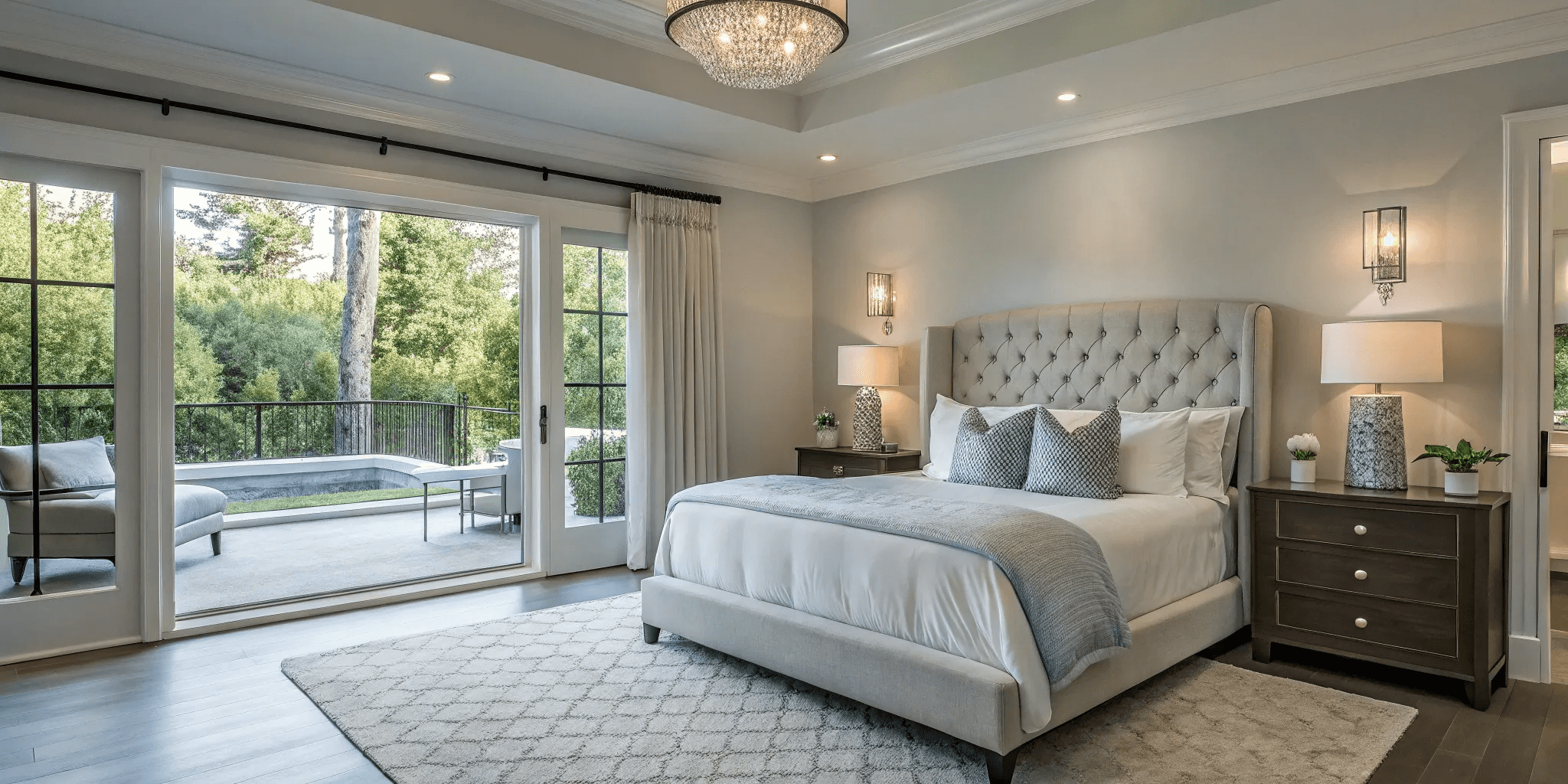
A modern master suite should be a bright, airy, and healthy environment. Incorporating abundant natural light is a key element of wellness-focused design and can make your space feel larger and more inviting. Think about adding large windows, glass doors, or even skylights to flood the room with daylight. Proper ventilation is just as important for creating a comfortable atmosphere. Good airflow keeps the space fresh and can contribute to better sleep and overall well-being. Prioritizing these elements will transform your suite into a true retreat from the outside world.
Connect Your Suite to the Outdoors
Creating a connection between your indoor and outdoor spaces can elevate your master suite from a simple bedroom to a private getaway. Imagine waking up and stepping through French doors onto a secluded patio for your morning coffee or enjoying a quiet evening on a private balcony. This feature not only extends your living area but also brings a sense of tranquility and nature into your personal space. An addition that thoughtfully incorporates outdoor access is a desirable feature that can also increase your home's value and your enjoyment of it.
Avoid These Common Planning Mistakes
A master suite addition is a significant undertaking that requires careful upfront thought to get right. A few common missteps can derail an otherwise great project. One major mistake is creating a design that clashes with your home's existing architectural style, making the addition look out of place. Another is underestimating your storage needs, resulting in a cluttered space. It’s also crucial to consider the logistics of plumbing and electrical systems early on. Working with a professional helps you sidestep these pitfalls and ensures your remodeling plan is comprehensive and realistic from the start.
Explore Popular Master Suite Layouts
Deciding where and how to add your new master suite is one of the most exciting parts of the planning process. The right layout does more than just add square footage; it enhances your home's flow, meets your daily needs, and creates a space that feels both personal and functional. Your existing home's structure, your property's size, and your family's lifestyle will all play a role in determining the best approach. Whether you're dreaming of a quiet retreat separated from the main living areas or a convenient first-floor sanctuary, there's a layout that will fit your vision.
Exploring different options helps you understand what’s possible. You might discover that a second-story addition offers the privacy you crave, or that expanding over the garage is the perfect way to maximize your space without altering your home's footprint. A thoughtful home remodeling project considers how the new addition will connect with the rest of your house, ensuring a seamless transition that feels like it was always meant to be there. Let's look at some of the most popular and effective layouts for a master suite addition.
First Floor vs. Second Floor Additions
One of the first decisions you'll make is whether to build up or out. A first-floor master suite is incredibly convenient, offering easy access without the need for stairs. This is an excellent choice if you're planning for the long term or have mobility considerations. On the other hand, a second-floor addition can provide more privacy, separating your personal space from the home's busier common areas. Plus, building up often comes with the added benefit of better views and more natural light. The best choice depends entirely on your lifestyle and how you envision using the space for years to come.
Expand Over the Garage
If you want to add a master suite without sacrificing yard space, look no further than the area above your garage. This is a popular and clever solution for maximizing your home's existing structure. Expanding over the garage adds significant square footage while keeping your home's footprint the same. It’s an efficient way to create a spacious new suite that feels both integrated and private. This approach is perfect for creating a self-contained retreat, often with its own separate entrance or staircase, giving you a true sense of separation from the rest of the house.
Add a New Wing to Your Home
For those with enough property space, adding a new wing is the ultimate way to create a luxurious master suite. This approach allows you to design a truly expansive retreat from the ground up. Imagine a large, airy bedroom that flows into a spa-like bathroom, a generous walk-in closet, and even a private sitting area or office. A new wing can be designed to seamlessly blend with your home's existing architecture while providing the space and privacy you need. This option gives you the most creative freedom to build the exact master suite addition floor plan you've been dreaming of.
Consider a Split-Plan Design
A split-plan layout is all about creating privacy. This design strategically separates the master suite from the other bedrooms in the house. For example, the master suite might be on one side of the main living area, while the children's or guest bedrooms are on the other. This layout is ideal for families who want to give everyone their own space or for homeowners who frequently host guests. By creating a distinct separation, a split-plan design turns your master suite into a quiet, peaceful sanctuary where you can unwind without any disturbances from the rest of the household.
Create a Multi-Room Retreat
Why settle for just a bedroom and a bathroom? Modern master suites are evolving into multi-functional retreats that cater to your entire routine. Think about designing a space that includes more than just the basics. You could carve out a cozy lounge area for reading, a small home office for catching up on emails, or a coffee bar for your morning brew. By incorporating these different zones, your master suite becomes a versatile haven where you can sleep, relax, and work. This approach enhances both comfort and functionality, making your new addition feel like a true escape within your own home.
Must-Have Features for a Modern Suite
A modern master suite is so much more than just a place to sleep. It’s your personal sanctuary, a space designed to help you rest, recharge, and start your day on the right foot. When planning your addition, think beyond the basic bedroom and consider the features that will truly enhance your daily routine. The best designs blend seamless functionality with personal style, creating a retreat that feels both luxurious and uniquely you.
From a bathroom that feels like a private spa to a closet that makes getting ready a pleasure, the right features can transform your master suite into your favorite room in the house. It’s about creating a cohesive space that caters to your needs, whether that’s a quiet corner for reading, smart technology for added convenience, or a seamless connection to the outdoors. As you plan your home remodeling project, think about which elements will bring you the most comfort and joy.
Create a Spa-Inspired Bathroom
Transform your daily routine by designing an en suite bathroom that feels like a personal spa. The focus here is on wellness and relaxation. Imagine a spacious, walk-in shower with a rainfall showerhead, a deep soaking tub for unwinding after a long day, and heated floors that add a touch of comfort. Good design also prioritizes abundant natural light and proper ventilation to create a bright, airy atmosphere. By incorporating these wellness-focused design elements, your bathroom becomes more than just a functional space—it becomes a private escape where you can de-stress and rejuvenate.
Design Your Dream Walk-in Closet
An organized, beautiful walk-in closet can make your morning routine feel effortless. Think of it as a personalized dressing room, not just a place to hang clothes. Custom-built shelving, drawers, and specialized compartments for shoes and accessories will keep everything tidy and easy to find. A center island can provide extra storage and a surface for folding, while great lighting and a full-length mirror are essential for getting ready. A well-designed closet adds a touch of luxury and brings a sense of order to your personal space, making it a key component of any modern master suite.
Carve Out a Private Sitting Area
A private sitting area turns your master suite into a multi-functional retreat. This dedicated space offers a quiet spot to unwind away from the main living areas of your home. It could be a cozy reading nook with a comfortable armchair and a stylish lamp, a small alcove with a desk for catching up on emails, or a pair of chairs by a window with a view. This feature adds another layer of comfort and utility to your suite, giving you a personal space to relax, read, or enjoy a quiet cup of coffee before starting your day.
Integrate Smart Home Technology
Bring your master suite into the modern age with integrated smart home technology designed for comfort and convenience. Imagine waking up to automated blinds that open gently to let in the morning light or adjusting the temperature and lighting with a simple voice command. You can also incorporate a built-in sound system for music or podcasts and smart locks for added security. These features streamline your daily routines and allow you to create the perfect ambiance for any mood, all from your smartphone or a central hub.
Choose Energy-Efficient Elements
Adding a master suite is a significant investment, and choosing energy-efficient elements is a smart way to ensure long-term value. High-performance windows, proper insulation, and an efficient HVAC system will keep your new space comfortable year-round while helping to manage utility costs. Opting for LED lighting and water-saving fixtures in the bathroom are other simple yet effective choices. These features not only reduce your home's environmental footprint but also contribute to a quieter, more comfortable living environment, making them a wise addition to any custom home build.
Add a Touch of Luxury
The small, luxurious details are what truly make a master suite feel special. Think about incorporating features that cater to your personal comfort and style. A gas fireplace can add warmth and a cozy focal point, while a private balcony or patio provides a seamless connection to the outdoors. Other popular additions include a built-in coffee bar or a wet bar with a mini-fridge for late-night refreshments. Using premium materials like natural stone, hardwood flooring, and custom millwork will also give the entire space a high-end, polished feel.
Refine Your Design with Smart Solutions
Once you have the basic layout of your master suite, it’s time to focus on the details that will make it truly special. These smart solutions are about more than just aesthetics; they’re about creating a space that functions beautifully, feels cohesive with the rest of your home, and brings you comfort for years to come. From clever storage to layered lighting, these refinements will transform your addition from a simple room into a personal sanctuary. A thoughtful approach at this stage ensures your new suite is not only stunning but also a practical and valuable part of your home.
Blend the Addition with Your Home's Style
A successful master suite addition should feel like it was always part of your home’s original design. The key is to create a seamless transition, both inside and out. This means matching exterior materials, window styles, and rooflines so the new structure doesn't look like an afterthought. Internally, the flow is just as important. The connection to the existing house should feel natural, with hallways and doorways that align with your home's current layout. A well-integrated addition enhances your home's overall character and value, proving that great home remodeling is all about thoughtful integration.
Maximize Your Storage Space
A cluttered space is anything but relaxing, which is why smart storage is a non-negotiable in a master suite. Think beyond a standard closet and consider custom solutions that fit your lifestyle. A walk-in closet with a mix of shelving, drawers, and hanging space can keep your wardrobe organized and accessible. In the bathroom, consider a vanity with deep drawers instead of cabinets or recessed medicine cabinets for a sleek look. You can even get creative with the layout to find more room. For example, a slightly narrower bathroom might allow for a larger walk-in shower and a more spacious closet, making the entire suite feel more functional.
Soundproof for Peace and Quiet
Your master suite should be your escape from the noise and activity of the rest of the house. Achieving this level of tranquility often comes down to acoustic privacy. Simple additions during the construction phase can make a world of difference. Ask your builder about using sound-dampening insulation in the walls and ceiling, especially if the suite is adjacent to a busy living area or kids' rooms. Installing solid-core doors instead of hollow ones also helps block out sound. This focus on creating a quiet, serene environment is a core principle of wellness-focused design, ensuring your new space is a true retreat.
Future-Proof Your New Space
When planning your addition, think about your needs not just for today, but for the future. Incorporating universal design principles can make your suite comfortable and accessible for a lifetime. This might include wider doorways that can accommodate a wheelchair, a curbless walk-in shower, and lever-style door handles. These features are not only practical for aging in place but are also stylish and convenient for everyone. A thoughtfully designed master suite is a smart investment that can significantly increase your home's value and make it more attractive to a wider range of buyers if you ever decide to sell.
Select Premium Materials and Finishes
The materials you choose will define the look, feel, and durability of your master suite. This is your chance to select finishes that reflect your personal style and create a sense of luxury. Consider hardwood floors for warmth, natural stone tiles in the bathroom for a spa-like feel, and quartz countertops for their beauty and resilience. While it can be tempting to cut corners, investing in high-quality windows, doors, and fixtures pays off in the long run through better performance and longevity. These choices are what elevate a room from standard to stunning, creating a space you’ll love spending time in every day.
Layer Your Lighting
Great lighting can completely change the atmosphere of a room, and a master suite benefits from a layered approach. Start with ambient lighting, like recessed cans or a beautiful chandelier, to provide overall illumination. Next, add task lighting where you need it most, such as bedside sconces for reading or vanity lights for getting ready. Finally, incorporate accent lighting to highlight architectural features or artwork. Putting all your lights on dimmer switches gives you complete control over the mood, allowing you to create a bright, energizing space in the morning and a soft, relaxing ambiance at night.
Work with a Design-Build Professional
A master suite addition is a significant undertaking, and the team you choose to bring it to life is the most important decision you’ll make. Working with a design-build firm streamlines the entire project from the first sketch to the final walkthrough. Instead of you having to manage a separate architect, designer, and contractor, a design-build team provides a single point of contact. This integrated approach ensures seamless communication, accurate timelines, and a cohesive vision. Your designer and builder are on the same team from day one, collaborating to create a space that is both beautiful and buildable, perfectly aligned with your goals and your home’s existing character.
Choose the Right Team for Your Project
Finding the right partner for your home remodeling project is about more than just skills; it’s about finding a team that understands your vision and can translate it into a functional, beautiful space. A good contractor can give you a general idea of what a project might involve based on past experience, but a truly accurate plan requires detailed designs. A design-build firm closes this gap by having designers and builders collaborate from the very beginning. This ensures that the creative vision is grounded in practical construction knowledge, leading to a smoother process and a more predictable outcome for your master suite addition.
Understand the Design-Build Process
The design-build model simplifies home additions by merging the design and construction phases. Your journey starts with in-depth conversations where you share your vision, needs, and inspiration. From there, the team develops initial concepts and architectural plans, always keeping construction feasibility and local building codes in mind. Once the design is perfected and approved by you, the process transitions smoothly into the construction phase. Because the same team that designed the space is also building it, there’s a deep understanding of the project’s goals, which helps prevent miscommunication and keeps the project moving forward efficiently.
Establish a Realistic Timeline
One of the biggest questions for any home addition is, "How long will it take?" While the construction phase for a master suite can often take three to four months, that’s only part of the story. A comprehensive timeline also includes the design phase, material selection, and the permitting process, which can vary. A professional design-build firm will provide you with a clear and realistic project schedule that covers every stage. This transparency helps you plan accordingly and sets clear expectations, ensuring you know what’s happening and when, from groundbreaking to final inspection.
Get Expert Help Selecting Materials
Choosing the right materials is what makes your new master suite truly yours. From flooring and windows to bathroom fixtures and lighting, every selection contributes to the final look and feel. An experienced design-build team provides invaluable guidance, helping you select materials that match your style and meet your functional needs. They can also suggest smart alternatives or adjustments to the plans, a practice known as "value engineering," to ensure you get the most out of your project. This expert advice helps you make confident decisions on everything from durable hardwood floors to the perfect tile for your spa-inspired bathroom.
Ensure High-Quality Craftsmanship
A beautiful design deserves flawless execution. High-quality craftsmanship is the foundation of a lasting and valuable home addition. It’s in the precision of the framing, the smoothness of the drywall, and the perfect alignment of the tile. A reputable design-build firm prides itself on its attention to detail and the skill of its trade partners. They ensure that every aspect of the construction meets the highest standards of excellence. This commitment to quality means your new master suite won’t just look stunning—it will be a well-built, comfortable, and enduring part of your home for years to come.
Handle Permits with Ease
Navigating building permits and city inspections can feel overwhelming, but it’s a critical part of any home addition. Your project will require a building permit based on city-approved plans, and inspectors will visit at key stages to ensure all work complies with safety and building codes. A key advantage of working with an experienced design-build professional is that they manage this entire process for you. They prepare and submit the necessary documents, coordinate with city officials, and schedule all required inspections. This expert handling of bureaucracy lets you focus on the exciting parts of your project, knowing all the administrative details are taken care of correctly.
Create Your Master Suite Project Plan
With your inspiration gathered and your must-haves listed, it’s time to create a clear, actionable project plan. This is where your dream master suite starts to take shape on paper, long before the first hammer swings. A detailed plan is your roadmap to a smooth and successful home remodeling project, ensuring that every decision is intentional and every detail aligns with your ultimate goal. It helps you, your designer, and your builder stay on the same page from start to finish.
Think of this phase as building the foundation for your addition. It involves defining your vision in concrete terms, prioritizing what matters most, and understanding the sequence of events that will bring your new space to life. Taking the time to plan thoroughly now will save you from making hasty decisions under pressure later. It’s the key to transforming your ideas into a beautifully designed and expertly crafted master suite that you’ll love for years to come. Let’s walk through the essential steps to build your project plan.
Define Your Vision
The first step is to get specific about what you want. Go beyond a general idea and start thinking about the practical details of your new master suite. How do you want the space to feel? How will you use it every day? It’s important to explore many different floor plan ideas and not just settle on the first concept you see. Consider how the layout will connect the bedroom, bathroom, and closet for a seamless flow. Create a mood board with images of layouts, finishes, and fixtures that inspire you. This visual guide will be an invaluable tool for communicating your aesthetic to your design team.
Set Your Project Priorities
Once you have a clear vision, it’s time to prioritize. What are the absolute non-negotiables for your master suite? Is it a spacious, spa-like bathroom with a freestanding tub, a custom walk-in closet with smart storage, or a cozy sitting area with a fireplace? Deciding what’s most important will help guide your design and budget decisions. Remember that adding a master suite can also significantly increase your home's value, making it a smart investment. Balancing your personal desires with practical considerations will ensure your new space not only enhances your lifestyle but also adds long-term appeal to your home.
Review the Design Documents
This is a critical checkpoint before construction begins. Your design-build team will translate your vision into a set of detailed documents, including floor plans, elevations, and electrical layouts. A thorough design process helps you see all the possibilities for your home and catch any potential issues early on. Take your time to review these plans carefully. Visualize yourself walking through the space. Does the door swing the right way? Are the light switches in convenient locations? Asking these questions now ensures the final build matches your expectations and prevents costly changes down the line.
Finalize the Construction Timeline
With a finalized design, your builder can create a realistic construction timeline. This schedule will outline each phase of the project, from demolition and framing to plumbing, electrical, and final finishes. While every project is unique, a master suite addition typically takes a few months to complete once construction begins. Your timeline should also account for necessary steps like securing permits and ordering long-lead-time materials, such as custom windows or tile. Understanding the sequence and duration of each stage helps you know what to expect and when, making the entire process feel more manageable.
Prepare for the Building Process
Getting your home and family ready for construction is the final step in your planning phase. Talk to your contractor about the daily logistics. When will the crew arrive and leave each day? Which areas of your home will be off-limits? Setting up a temporary dust barrier can help contain the mess and minimize disruption to your daily life. It’s also important to have a clear understanding of the project's scope before work begins. Knowing what to expect will help you feel more comfortable and confident as you watch your new master suite come to life.
Related Articles
Frequently Asked Questions
What's the most important first step when planning a master suite addition? Before you even think about floor plans, start by defining your vision and priorities. Think about how you want to use the space every single day. Is your main goal a spa-like bathroom for relaxation, a massive walk-in closet for organization, or a quiet sitting area to read? Getting clear on your non-negotiables will guide every other decision and help you communicate your goals effectively to your design team.
How do I decide between a first-floor and a second-floor addition? There isn't a single right answer—it really comes down to your lifestyle and long-term plans. A first-floor suite offers incredible convenience and is a great choice if you're thinking about aging in place. A second-floor addition, on the other hand, can provide more privacy by separating your personal space from the main living areas and often comes with the bonus of better views.
How can I ensure my new addition blends in with the rest of my house? A seamless addition is all about respecting your home's original character. This is achieved by carefully matching key architectural details on the exterior, such as the roofline, window styles, and siding materials. Internally, the focus should be on creating a natural flow from the existing structure into the new space, so it feels like it was always meant to be there.
What are the main advantages of using a design-build firm for this type of project? The primary benefit of the design-build approach is having one cohesive team manage your project from the initial concept to the final nail. This eliminates the communication problems that can arise when you're trying to coordinate a separate architect, designer, and contractor. It results in a smoother process, a more predictable timeline, and a final product that is perfectly aligned with the original vision.
How long does the entire process for a master suite addition usually take? While the physical construction might last three to four months, that's only one piece of the puzzle. The complete timeline also includes the design phase, where you'll finalize plans and choose materials, as well as the time it takes to secure building permits from the city. A professional team will provide a comprehensive schedule that accounts for all these stages, giving you a clear picture from start to finish.
