How to Hire Top Residential Design Build Companies
Find out how to choose top residential design build companies for your home remodel. Get expert tips on vetting, comparing, and hiring the right team.
Published
Feb 13, 2026

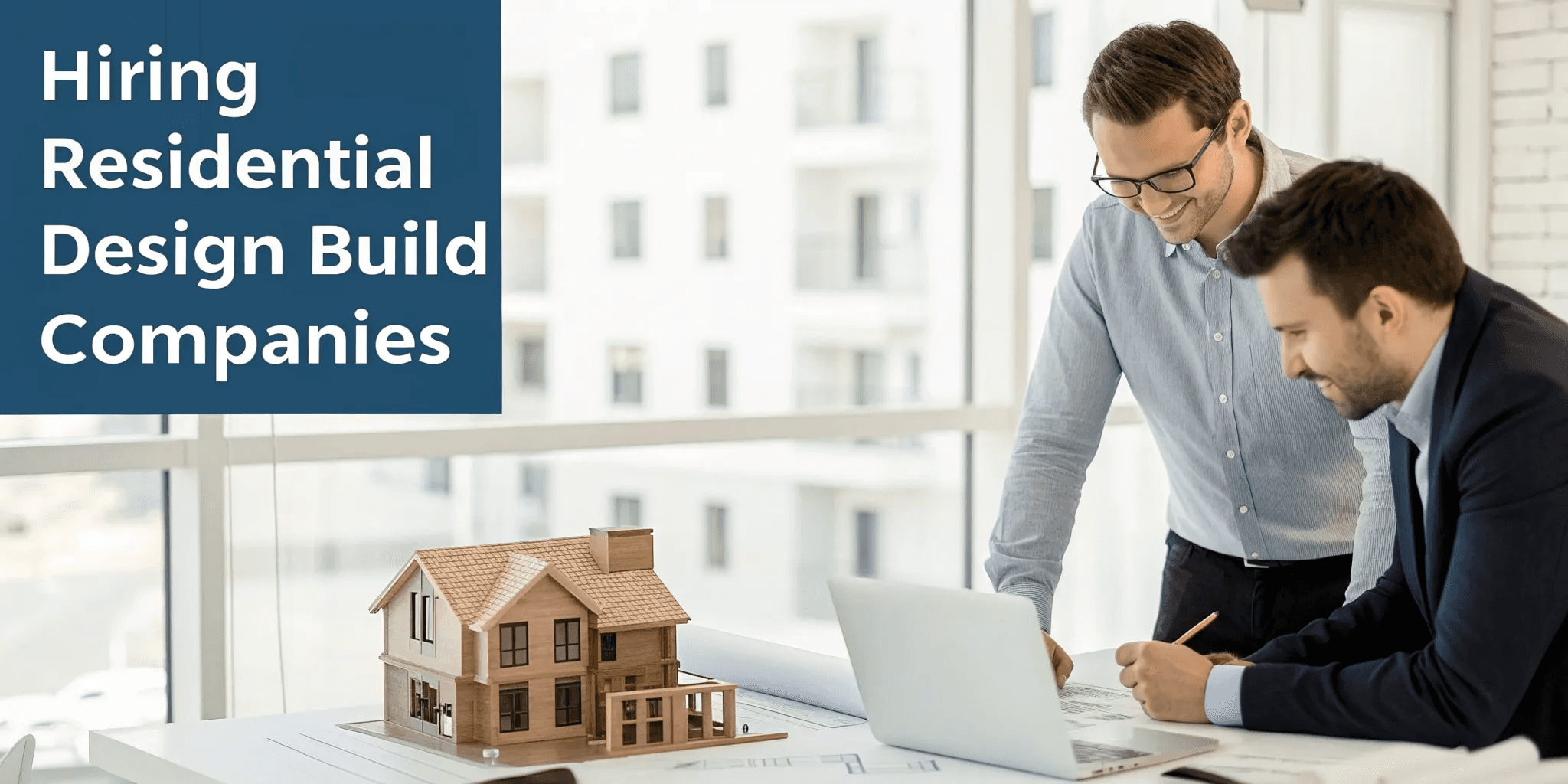
The design-build approach is changing how homeowners think about remodeling. Instead of you acting as the go-between for a designer and a builder, this integrated model brings everyone to the same table from day one. This means better communication, a more efficient timeline, and a cohesive vision from concept to completion. But not all firms are created equal. Finding a team that truly excels at this collaborative process is key to a stress-free experience. This guide will show you what to look for and how to properly vet the top residential design build companies, so you can find a partner you trust to transform your home.
Key Takeaways
Opt for a Design-Build Firm for a Simpler Process: Choosing a design-build partner means you get one unified team for your entire project. This integrated approach streamlines communication and creates a more cohesive, efficient path from initial design to final construction.
Thoroughly Vet Every Potential Partner: A beautiful portfolio is just the start. Always confirm a firm’s license and insurance, speak directly with past clients about their experience, and review their work to ensure their quality and style align with your vision.
Be an Active and Prepared Collaborator: Your input is crucial for success. Prepare for your first meetings by gathering inspiration and creating a prioritized wish list. This helps the team understand your goals and sets the stage for a partnership built on clear communication.
Why Partner with a Design-Build Firm?
Embarking on a home remodel is a huge undertaking, and the team you choose to bring your vision to life is the most important decision you'll make. While the traditional route involves hiring an architect and a separate builder, the design-build model offers a more streamlined and collaborative alternative. When you partner with a design-build firm, you’re hiring a single, unified team to handle your project from the initial sketches to the final nail.
This integrated approach has some major advantages. With everyone—designers, architects, and construction pros—under one roof, communication is clearer and more consistent. You have one team guiding you through the entire process, which means fewer details get lost in translation between different companies. This synergy helps minimize unexpected changes, keeps the project on track, and often leads to a smoother, faster completion. Instead of you having to play mediator between your designer and your contractor, a design-build firm manages all the moving parts, creating a seamless transition from one phase to the next. It’s a simpler, more cohesive way to manage a complex home remodeling project.
Design-Build vs. Traditional: What's the Difference?
So, what really sets the design-build model apart from the traditional method? Think of it this way: in a traditional project, you hire an architect to create plans, then you take those plans and shop them around to different builders. You are responsible for coordinating between the two. A design-build company, on the other hand, gives you one point of contact for everything. The designers and builders are colleagues, working together from day one to ensure the design is both beautiful and buildable within your budget. This collaboration eliminates the finger-pointing that can happen when two separate entities disagree. It also streamlines the timeline, because a well-designed architectural plan created with construction realities in mind from the start leads to a more efficient build.
Key Traits of an Excellent Design-Build Partner
When you start looking for a design-build firm, you’ll want to find a true partner who understands your goals. A great firm will be transparent and communicative, especially when it comes to your budget. A poorly planned budget can stop a project in its tracks, so look for a team that prioritizes realistic financial planning from the beginning. It’s also important to do your own thorough research on each firm’s process, quality standards, and past work. Finally, ask about their relationships with subcontractors. An established firm will have a network of trusted, vetted tradespeople, which is a strong indicator of quality and reliability.
What Services Should a Great Design-Build Firm Offer?
When you start looking for a design-build partner, you’ll notice that firms offer a wide range of services. The best companies don’t just specialize in one thing; they provide a complete solution for your home. This means they can handle your project from the initial sketch to the final coat of paint, ensuring every detail aligns with your vision. A firm with a comprehensive service menu can adapt to your specific needs, whether you're dreaming of a brand-new custom home or planning a major kitchen overhaul. This versatility is a key indicator of experience and capability, giving you a single, reliable team to manage every phase of your project.
Custom Homes and Full-Scale Remodels
A top-tier design-build firm should have the expertise to manage large, complex projects with confidence. This includes building custom homes from the ground up and executing complete home remodeling projects that transform your entire living space. When one team handles everything from architectural plans to construction, you get a cohesive result without the stress of coordinating multiple contractors. Look for a portfolio that showcases a variety of large-scale work, as this demonstrates their ability to maintain a consistent vision and quality standard throughout a demanding project. This breadth of experience is what separates a good firm from a great one.
Integrated Design and Planning Services
The true magic of the design-build model lies in its integrated approach. A great firm offers in-house design and planning services, meaning their architects, designers, and builders work together from day one. This collaboration is a huge advantage for you. Instead of you having to act as the go-between for separate architecture and construction companies, your design-build team handles all the internal communication. This streamlined process saves time, reduces the chance of miscommunication, and often leads to more innovative and practical design solutions. Your project benefits from a unified team that shares the same goal: bringing your vision to life efficiently and beautifully.
ADUs and Specialized Construction
Beyond traditional remodels, a forward-thinking design-build firm should also be skilled in specialized construction projects, like building Accessory Dwelling Units (ADUs). In areas where space is valuable, ADUs—also known as granny flats or in-law suites—are a popular solution for adding flexible living space. A firm’s ability to handle these unique projects shows they understand modern housing needs and are up-to-date on local zoning and building codes. Whether it’s an ADU, a complex hillside build, or a historically sensitive renovation, this specialized expertise proves they have the technical skill and creativity to tackle any challenge your property might present.
How to Find the Best Design-Build Companies
Finding the right design-build firm is the first and most important step in your home remodeling journey. You’re not just hiring a contractor; you’re choosing a partner who will bring your vision to life. The right team will understand your style, respect your home, and manage the entire process with skill and care. Taking the time to research and vet your options thoroughly will ensure your project is a success from start to finish. Think of this as building the foundation for your project—a strong start makes all the difference. Let's walk through how you can find the best professionals for the job.
Where to Start Your Online Search
Your search for the perfect design-build partner will likely begin online. A great starting point is your local home builders' association, which often provides lists of credible builders in your area. The National Association of Home Builders is an excellent resource for finding these local chapters. As you browse different firms' websites, pay close attention to their portfolios. This is your first glimpse into their style, craftsmanship, and the types of projects they specialize in. Look for a portfolio that resonates with your own aesthetic and showcases a consistent level of quality. Also, check for credentials, certifications, and any professional affiliations listed on their site. This initial research will help you create a long list of potential candidates to explore further.
How to Get Trusted Referrals
While an online search is a great start, nothing beats a trusted referral. Talk to friends, family, neighbors, or colleagues who have recently completed a remodel. Ask them about their experience—what went well, what challenges they faced, and whether they would hire their firm again. Real estate agents can also be a fantastic resource, as they frequently work with the best builders in the community and know who consistently delivers high-quality work. Attending local home shows or open houses is another way to see a builder's craftsmanship up close and speak with them in person. These personal recommendations can help you narrow down your list to firms with a proven track record of client satisfaction.
Tapping into Professional Networks
A top-tier design-build firm is well-respected within its professional network. Their relationships with subcontractors, architects, and suppliers are a strong indicator of their reliability and business practices. A company that maintains positive, long-term connections is more likely to deliver a smooth and efficient home remodeling experience. When you speak with potential firms, don't hesitate to ask about their team and the trade partners they work with. Reputable companies are proud of their professional relationships and see them as a key part of their success. A firm that is deeply integrated into the local building community is often a sign of stability and a commitment to quality.
How to Vet Your Shortlist of Companies
Once you have a few promising design-build firms on your list, it’s time to do some homework. This vetting stage is all about making sure a company’s reputation and credentials match the great first impression they made online. Taking the time to dig a little deeper ensures you’re partnering with a team that is not only talented but also reliable, professional, and the right fit for you and your home. Think of it as conducting a series of friendly interviews to find your perfect project partner. You’ll want to confirm their qualifications, see their work up close, hear from past clients, and ask some direct questions to understand how they operate. This process will give you the confidence you need to move forward with the right firm for your home remodeling project.
Verify Their Licenses, Insurance, and Credentials
Before you fall in love with a portfolio, let’s cover the essentials. A legitimate design-build firm must have the proper licenses and insurance. This isn’t just red tape; it’s what protects you from liability for accidents on your property and ensures the company is accountable for its work. Always check that the contractor has a valid license from the California Contractors State License Board (CSLB), along with general liability and workers' compensation insurance. Don’t be shy about asking for proof. A professional company will have this information ready and will be happy to share it with you. This simple step is one of the most important for a secure and successful project.
Review Their Portfolio and Past Projects
Now for the fun part: exploring their work. A company’s portfolio is a visual resume that shows you their style, craftsmanship, and the range of projects they’ve completed. As you browse, look for projects that are similar in scope and style to what you envision for your own home. Do their kitchen remodels have the flow and finish you’re looking for? Do their home additions blend seamlessly with the original structure? A strong portfolio should showcase a variety of completed projects that align with your vision. Pay attention to the details and the overall quality of the finished spaces. This will help you gauge whether their aesthetic and quality standards match your own.
Check Client References and Online Reviews
A portfolio shows you the final product, but references tell you about the journey. Reputable firms will gladly provide you with a list of past clients you can speak with. The National Association of Home Builders advises homeowners to always ask for references and follow up with them. When you call, ask about their experience with communication, timeliness, and how the team handled challenges. Were there any surprises? Would they hire the firm again? Supplement these conversations with online reviews on sites like Houzz and Google, but remember to read them with a discerning eye. Together, references and reviews paint a clear picture of what it’s like to work with the company.
Key Questions to Ask in Your First Meeting
Your initial consultation is more than just a meet-and-greet; it’s your chance to clarify expectations and understand a firm’s process. Come prepared with a list of questions to help you determine if they’re the right fit. This is your opportunity to understand their communication style, project management approach, and overall philosophy.
Here are a few essential questions to get the conversation started:
Who will be my main point of contact throughout the project?
How do you manage project timelines and communicate updates?
Can you describe your process for handling changes or unexpected issues?
What does your typical design and construction process look like from start to finish?
How Top Firms Manage Projects and Communication
A beautiful final product is the goal, but a smooth and predictable process is what makes a remodeling project successful and stress-free. The way a design-build firm manages the day-to-day details says everything about their professionalism and commitment to your peace of mind. Top firms have refined systems for communication, budgeting, and quality control that keep the project moving forward efficiently. When you’re vetting companies, pay close attention to how they describe their project management style. You’re not just hiring a builder; you’re choosing a partner who will guide you through a complex process, so you want to be sure their approach aligns with your expectations.
Look for Clear Communication and Regular Updates
One of the biggest advantages of the design-build model is having a single point of contact. Instead of you having to coordinate between an architect, a designer, and a contractor, the firm handles it all internally. A great company will assign you a dedicated project manager who provides consistent updates. Ask potential firms about their communication rhythm. Do they schedule weekly check-ins? Will you receive progress reports via email or a project management app? Clear, proactive communication prevents misunderstandings and ensures you always know what’s happening with your home. This streamlined approach is what makes the entire experience feel collaborative rather than chaotic.
Understand Their Approach to Budgets and Changes
Talking about money can be uncomfortable, but a professional firm will address it with transparency from the start. Homeowners often worry about surprise costs, so you want a partner who has a clear system for managing the budget. Ask them how they handle change orders—the formal process for when you want to make a change after the plans are finalized. A reliable firm will explain the cost and timeline implications of any requested changes before moving forward, so you can make informed decisions. Their goal should be to eliminate surprises and give you full control over the financial aspects of your project.
Ask About Timelines and Quality Checks
A detailed timeline is the roadmap for your project. During your initial conversations, ask firms how they create and maintain their schedules. Do they build in buffer days for potential delays? What happens if they run into an unexpected issue? Beyond the schedule, inquire about their quality control process. Excellence doesn't happen by accident. Top firms conduct regular quality checks at critical stages of the project, not just at the final walkthrough. This ensures that every detail, from the foundation to the final paint coat, meets their high standards and results in a home remodeling project that’s built to last.
What to Expect When Choosing Your Firm
After all the online research, portfolio reviews, and initial vetting, you’ve arrived at the most crucial stage: choosing your design-build partner. This is where you move from evaluating companies on paper to connecting with the actual people who will transform your home. It’s your chance to dig deeper, ask the tough questions, and find a team that not only understands your vision but also shares your values and communication style. Think of this phase as building the foundation for your entire project. It’s about more than just comparing proposals and timelines; it’s about finding a firm you can trust to be in your corner, guiding you through every decision with expertise and care. Taking your time here to have meaningful conversations and carefully review the details will give you the confidence you need to move forward, setting the stage for a successful and enjoyable home remodeling experience.
What Happens in the First Consultation
Think of the initial consultation as a creative brainstorming session and a two-way interview. This meeting is your opportunity to share your ideas, goals, and inspiration for the project. To make the most of this time, come prepared with a collection of images you love, a list of your must-have features, and a general idea of your home’s measurements. This preparation helps the design-build team grasp your vision and offer more concrete feedback. It’s also your chance to see how they work. Do they listen carefully? Do they ask thoughtful questions? A great firm will use this time to establish a strong rapport and show you how they can turn your concepts into a beautiful, functional reality.
How to Compare Proposals and Review Contracts
After your consultations, you’ll receive proposals from each firm. When comparing them, look beyond the final number. A detailed proposal should clearly outline the scope of work, materials, timeline, and payment schedule. Vague descriptions can be a red flag. Consider each firm’s experience and how it’s reflected in their plan. A seasoned builder will provide a realistic and comprehensive proposal. Once you’ve chosen a firm, review the contract carefully. It should protect both you and the builder, detailing every aspect of the project. Don’t be afraid to ask for clarification on any points you don’t understand before signing. This document will be your guide throughout the entire construction process.
Common Mistakes to Avoid When Hiring
Hiring the right firm is a big decision, and it’s easy to make a few common missteps. One of the biggest is rushing the planning phase. Taking the time to clearly define your vision upfront can save you from costly changes and delays down the road. Another pitfall is failing to create a realistic budget that accounts for potential surprises. A great design-build partner will help you create a thorough financial plan. Finally, avoid making a decision based solely on the lowest bid. Quality craftsmanship, clear communication, and a team you trust are invaluable and will ultimately lead to a better outcome and a home you love for years to come.
How to Make Your Final Decision
You’ve done the hard work of finding and vetting potential design-build firms. Now, you’re down to a few top contenders, and it’s time to make that final, important choice. This decision isn't just about who presented the most appealing proposal; it's about choosing a partner you can trust to bring your vision to life inside your home. Think of it like picking a teammate for a long-term project—you need someone with the right skills, a compatible working style, and a shared commitment to the end goal. A successful home remodeling project truly depends on the strength of this partnership.
Take a deep breath and lay everything out on the table. This is where you move beyond the initial impressions and dig into the details that will define your experience over the coming months. Comparing your top candidates requires a methodical approach, looking at everything from the specifics of their project plans to the quality of their past work and how they communicate. It’s also crucial to keep an eye out for any warning signs that might suggest a rocky road ahead. A great firm will make you feel heard and respected from the very beginning. By being deliberate and observant at this stage, you can move forward with confidence, knowing you’ve chosen the best possible team to create a space you’ll love for years to come.
Compare Your Top Candidates Side-by-Side
With your shortlist in hand, create a simple chart or list to compare each firm across the same criteria. Lay out their proposals side-by-side to understand their unique approach, proposed timelines, and the scope of services included. Revisit their portfolios, paying close attention to projects similar to yours in style and scale. Do you see the level of craftsmanship you expect? Beyond their direct work, consider their professional network. A well-established firm has strong relationships with reliable subcontractors, which is a great indicator of their ability to manage a project smoothly and maintain high standards throughout every phase of construction. This detailed comparison will help clarify which firm’s vision and process align best with yours.
Watch Out for These Red Flags
As you make your final comparisons, be alert for any red flags. A major one is a lack of clear, organized communication. If a builder is slow to respond or vague in their answers now, it’s unlikely to improve once the project starts. Effective communication is the foundation of a successful project. Another warning sign is a team that seems to be rushing the planning phase. A quality design-build firm will insist on thorough planning to avoid costly mistakes later on. Be cautious of anyone who pushes for a quick start without a detailed project plan. Similarly, a proposal that lacks a clear breakdown of the scope of work can signal poor planning. Trust your gut—if something feels off, it’s worth a second look before you sign a contract.
How to Prepare for Your Project Kickoff
You’ve signed the contract and selected your design-build partner—congratulations! This is where the real fun begins. The initial kickoff and planning meetings are where your vision starts taking shape. Coming to the table prepared will make the entire process smoother and more productive for everyone involved. A little homework now ensures your team fully understands your goals and can start designing the home you’ve always wanted.
Get Ready for Your First Planning Meeting
Your first official planning meeting is a chance to share all your ideas and inspiration with the design team. To make the most of this time, it’s helpful to do some prep work. Start by creating a "wish list" of everything you want to achieve with your home remodeling project. Think about how you want the space to feel and function. It’s also incredibly helpful to gather inspiration photos. Create a Pinterest board or a folder with images that capture the style, colors, and features you love. This visual guide gives your design team a clear window into your aesthetic and helps them translate your ideas into a tangible plan.
Set Clear Expectations from the Start
Once you have your wish list, take it a step further by setting your priorities. Go through your list and decide which items are absolute must-haves and which are nice-to-haves. Ranking your goals helps your design-build firm understand what matters most to you. This clarity is essential for creating a design that aligns perfectly with your lifestyle and priorities. If you already have architectural plans or have worked with another designer, bring those along, too. The more information you can provide upfront, the better. Being open and clear about your expectations from day one builds a strong foundation for a successful partnership and a home you'll love for years to come.
Related Articles
Frequently Asked Questions
What's the single biggest advantage of hiring one firm for both design and construction? The greatest benefit is having a single, unified team responsible for your entire project. This eliminates the classic problem of the architect and builder pointing fingers at each other when issues arise. With a design-build firm, everyone is on the same team from day one, which means communication is seamless, problems are solved collaboratively, and you have one point of contact guiding you through the entire process.
How much of my own time will a design-build project require? Your involvement is most critical during the initial design and planning phases. This is when you'll share your vision, make key decisions on layouts and materials, and set priorities. Once construction begins, however, a great design-build firm takes over the intense day-to-day management. They handle the scheduling, subcontractors, and problem-solving, providing you with regular updates so you can stay informed without having to live on the job site.
What happens if I want to make a change after construction has already started? Changes are a normal part of any creative process. A professional design-build firm has a clear system for this, typically called a change order. If you decide you want to add a feature or change a material, your project manager will outline exactly how that decision will affect the project's timeline and budget. You'll review and approve everything before any work is done, ensuring there are no financial surprises.
Is the design-build model suitable for smaller projects, or is it only for large-scale remodels? While the design-build approach is perfect for large projects like custom homes and full remodels, its benefits apply to smaller projects, too. The core advantage is ensuring a design is beautiful, functional, and buildable from the very beginning. This integrated thinking is just as valuable for a complex kitchen or bathroom renovation as it is for a brand-new build, leading to a smoother process regardless of the project's scale.
My partner and I have different ideas. How can a design-build firm help us find a cohesive vision? This is a very common situation, and it's an area where a skilled design team truly shines. A great firm acts as a facilitator, listening carefully to both of your needs and priorities. They are experts at finding common ground and blending different styles into a cohesive design that reflects both of your personalities. They can provide creative solutions and visual aids to help you both see how your ideas can come together beautifully.
