The Design-Build Process: A Step-by-Step Guide
Get a clear look at the design build construction process step by step, from planning and design to construction, for a smooth and stress-free remodel.
Published
Feb 16, 2026

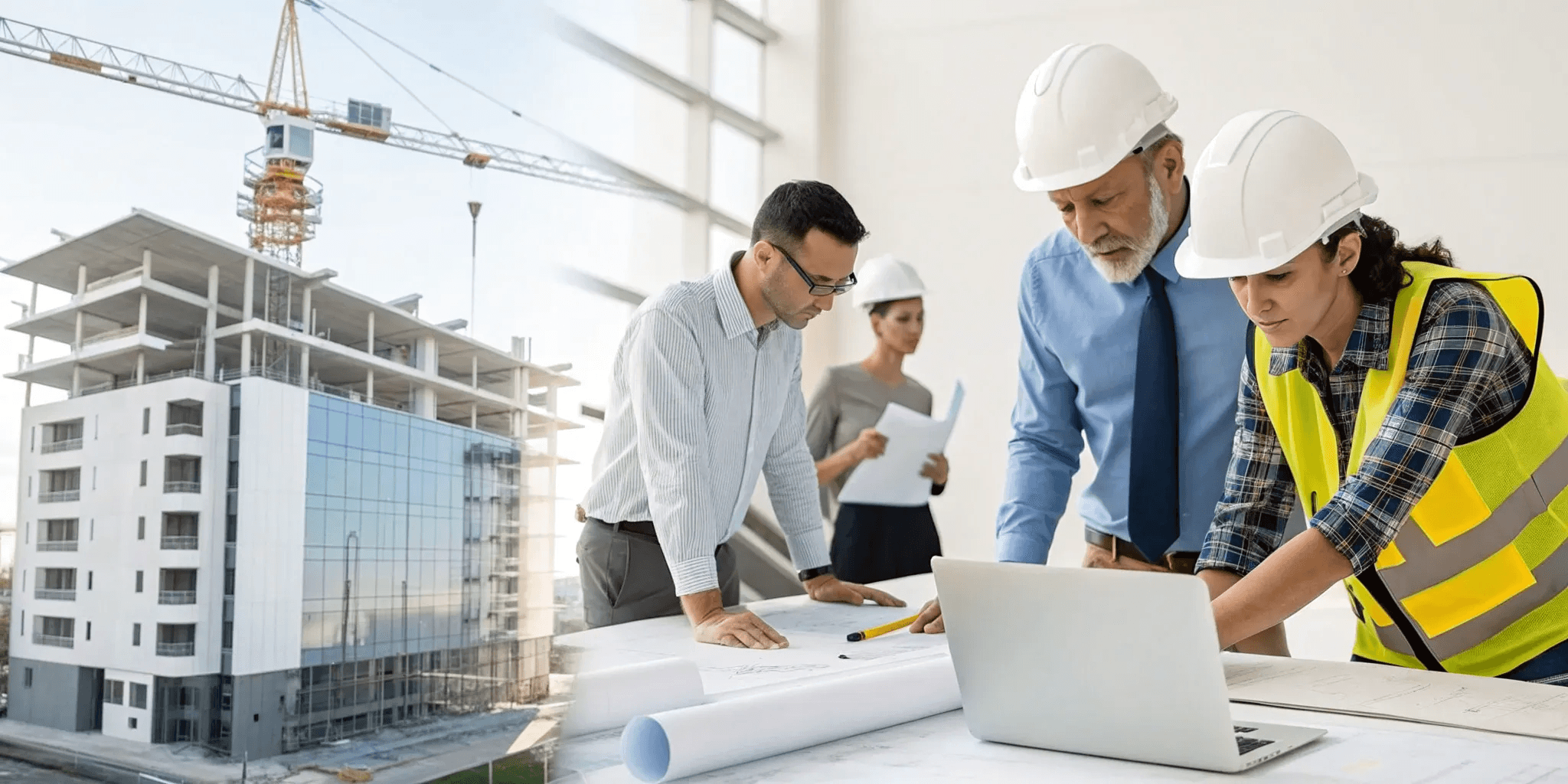
Two of the biggest fears in any home remodel are going over budget and facing endless delays. These issues often stem from a disconnect between the initial design and the practical realities of construction. The design-build model was created to solve this problem. By having designers and builders collaborate from day one, your project is planned with cost and feasibility in mind from the very beginning. This proactive approach prevents expensive surprises and keeps your project on a predictable timeline. Understanding the design build construction process step by step is the first move toward a stress-free renovation, giving you the confidence that your vision can be achieved within your financial framework.
Key Takeaways
Partner with a Unified Team: The design-build model provides a single point of contact for your entire project, ensuring seamless communication and clear accountability from the initial design through final construction.
Align Your Design and Budget from Day One: With designers and builders working together from the start, your project is planned with real-world costs in mind, which helps prevent budget overruns and keeps the timeline on track.
Prepare Your Vision for a Creative Partnership: A successful project begins with your ideas. By gathering inspiration and defining your goals, you empower your design-build team to act as your creative partner, translating your vision into a functional and beautiful reality.
What is Design-Build Construction?
If you’re planning a home remodel, you’ve likely heard the term “design-build.” So, what does it actually mean? Simply put, design-build is a project delivery method where one team handles your entire project from the initial design concept to the final construction. Instead of you having to hire an architect and a separate contractor, you work with a single, unified firm. This approach streamlines the entire home remodeling process by bringing designers and builders together under one roof from the very beginning.
This integrated model is all about collaboration and efficiency. When your design and construction experts are on the same team, communication flows freely, potential issues are spotted earlier, and everyone is working toward the same goal: bringing your vision to life. Think of it as having a single, dedicated partner for your renovation. This team is responsible for everything from creating the initial sketches and blueprints to managing subcontractors and putting the final touches on your new space. According to Procore, a leading construction management platform, the design-build method means the owner signs one contract for both the design and the actual building work. This single point of responsibility simplifies everything, making your renovation journey smoother and more cohesive.
One Team, One Contract
The core of the design-build model is its simplicity. With one team and one contract, you have a single point of contact for every aspect of your project. You won’t have to play mediator between your designer and your builder or worry about details getting lost in translation. This unified structure creates a collaborative partnership between you and your design-build firm. Your team works together from the start to balance your creative vision with your budget and the practical realities of construction, ensuring a more efficient and enjoyable process for you. Every question, decision, and update goes through one person, which keeps the project organized and moving forward.
How It's Different From the Traditional Method
The design-build approach is a significant departure from the traditional 'design-bid-build' method. In a traditional setup, you would first hire an architect or designer to create a full set of plans. Then, you would take those plans and shop them around to various builders to get bids. This process can be fragmented and often leads to communication gaps or conflicts between the design and construction teams. With design-build, you avoid that separation. Your entire team is assembled by one firm, ensuring everyone is aligned and accountable from day one. This means design choices are made with construction costs and feasibility in mind from the very beginning, preventing costly surprises down the road.
Who's on Your Design-Build Team?
A successful home remodel is a team sport, and in a design-build project, everyone is on the same side from day one. Instead of you having to juggle different contracts and contacts, the design-build model brings all the key players together under one roof. This collaborative approach ensures your project runs smoothly, with clear communication and shared goals. Let’s meet the team who will bring your vision to life.
The Role of Your Design-Build Firm
Think of your design-build firm as the captain of your team. They are your single, dedicated point of contact for the entire project. From the first sketch to the final walkthrough, the firm is responsible for assembling and managing the entire crew of designers, builders, and specialists. This integrated approach means everyone works together to meet your project's goals, timeline, and vision. With one team handling your home remodeling, you can avoid the confusion and finger-pointing that can happen when you hire separate designers and contractors.
Your Role as the Homeowner
Your most important role on the team is to be the visionary. It all starts with your ideas. Your job is to figure out what you want to build and what you hope to achieve with your new space. Do you dream of a bright, open-concept kitchen or a spa-like bathroom retreat? The more clearly you can communicate your goals, the better your team can bring them to life. Don't worry if you don't have all the answers—your design-build firm is there to help you explore possibilities and refine your vision from the very beginning.
The Experts Behind the Scenes
While you’ll have one main contact, a whole team of specialists works behind the scenes to make it all happen. Your design-build firm coordinates everyone, from the architects and designers who create the plans to the engineers who handle structural details. A dedicated project manager oversees daily operations, ensuring everything stays on track. The firm also manages all the subcontractors—the skilled tradespeople like plumbers, electricians, and painters who handle specific parts of the job. This design-build construction model ensures every technical detail is handled by an expert, all while you enjoy a streamlined and stress-free process.
Step 1: Plan Your Project
This is where the magic begins. The planning phase is all about taking those ideas you’ve been dreaming about and turning them into a tangible starting point. It’s a collaborative kick-off where you and your design-build team get on the same page, laying a strong foundation for the entire project. Think of it as creating the roadmap that will guide every decision, from the big picture down to the smallest detail. A solid plan ensures that your final space is not only beautiful but also perfectly suited to your lifestyle.
Outline Your Vision and Goals
Before any walls come down, it’s essential to define what you want to achieve. This goes beyond choosing paint colors or cabinet styles. Ask yourself: How do you want to feel in your new space? What problems are you trying to solve? Maybe you need a kitchen that flows better for entertaining, or a bathroom that feels like a spa retreat. The success of your project depends on how well you can communicate your vision to your team. Gather inspiration from magazines, Pinterest, or homes you admire, and be ready to share what you love—and what you don’t.
Assess Your Space and Possibilities
Once your goals are clear, it’s time to see what your current space can realistically accommodate. Your design-build team will conduct a thorough assessment of your home, examining existing structures, plumbing, and electrical systems. This step is crucial for understanding both the opportunities and the limitations of your property. It helps answer important questions about which walls can be moved and how to best use the existing footprint. This professional evaluation ensures your home remodeling plan is both ambitious and achievable, aligning your vision with the practical realities of your home and local building codes.
Step 2: Develop the Design
This is where your vision starts taking shape on paper. After outlining your goals in the planning phase, the design development stage is all about translating those ideas into a concrete, buildable plan. It’s a deeply collaborative and creative process where your dreams meet expert craftsmanship. With a design-build firm, your builders and designers work together from the very beginning, ensuring every sketch and material choice is both beautiful and practical. This integration is what makes the process so efficient, turning abstract concepts into a detailed blueprint for your future space. Your role is to provide feedback and make choices, while your team provides the expertise to bring it all together seamlessly.
Create Your Dream Design Together
Think of your design-build team as your creative partners. They’ll take your initial ideas, inspiration photos, and must-have list and develop initial drawings and floor plans. You won't just be handed a single design; instead, you'll likely see a few options that explore different layouts and possibilities for your space. This gives you a chance to see what works best for your lifestyle.
Together, you’ll refine these concepts and start selecting materials, finishes, and fixtures. From cabinetry and countertops in a kitchen remodel to tile and vanities in a bathroom renovation, your team will guide you through the choices, helping you find options that fit your style. This collaborative approach is at the core of a successful home remodeling project.
Align the Design With Your Budget
One of the biggest advantages of the design-build model is how it handles your budget. Instead of designing something beautiful only to find out it’s too expensive to build, cost is part of the conversation from the very start. As your team presents design options, they’ll also provide detailed cost estimates for each one. This transparency allows you to make informed decisions every step of the way.
This early integration of design and cost helps prevent expensive surprises later on. If a particular material or design element pushes the budget, your team can suggest creative alternatives that achieve a similar look without compromising quality. This proactive approach ensures the final design is one you not only love but can also comfortably afford.
Step 3: Finalize the Details
With a beautiful design in hand that aligns with your budget, it’s time to make things official. This step is all about translating your approved plans into a concrete, actionable agreement. It’s where we finalize the paperwork and map out the journey from blueprint to reality. By solidifying the contract and setting a clear timeline, we ensure everyone is on the same page before the first hammer swings. This crucial phase provides the structure and clarity needed for a smooth and predictable home remodeling experience, turning your creative vision into a well-organized project plan.
Solidify Your Contract
Think of your contract as the official roadmap for your project. It’s more than just a formality; it’s a detailed agreement that protects both you and your design-build team. A well-drafted contract outlines every aspect of the project, leaving no room for ambiguity. It should clearly define the scope of work, the final project cost, and the payment schedule. According to industry experts, a clear and fair contract also specifies how to handle potential changes, establishes communication protocols, and details the approval process for each stage. This document ensures transparency and creates a foundation of trust, giving you peace of mind as we move forward.
Set the Project Timeline
Once the contract is signed, we establish a comprehensive project timeline. This isn’t just a rough estimate; it’s a detailed schedule that maps out every phase of construction, from securing permits and ordering materials to installation and final inspections. Your design-build team will coordinate all the moving parts, creating a realistic sequence of events that minimizes delays and keeps the project on track. This schedule gives you a clear understanding of what to expect and when, allowing you to plan your life around the construction process. It serves as our shared guide, ensuring every milestone is met efficiently on the path to completing your beautiful new space.
Step 4: Get Ready to Build
With your design approved and the contract in place, the excitement really starts to build. This is the final checkpoint before construction begins, where all the planning and creative work get locked into a concrete plan of action. Your design-build team now focuses on translating the creative vision into the technical documents needed to bring your project to life. This step is all about precision and preparation, ensuring every detail is accounted for so the construction phase can run smoothly, on time, and without any surprises. It involves two critical tasks: refining the final blueprints into construction-ready documents and securing all the necessary permits from local authorities. Think of it as creating the official roadmap and getting the green light for your journey. Your team handles the heavy lifting here, managing the complex paperwork and technical specifications, making sure everything is perfectly in order before a single hammer is swung.
Refine the Final Blueprints
This is where your approved design concepts evolve into detailed, technical construction drawings. Your team will create a comprehensive set of plans that specify every single element of the project. They’ll work with you to finalize material selections—from flooring and tile to fixtures and paint colors—and integrate them into the blueprints. This process is highly collaborative; your team will present you with options and offer expert guidance, ensuring the final choices align with both your aesthetic and your budget. They also use this stage to look for opportunities to improve efficiency and add value, making sure the design isn't just beautiful but also practical and well-engineered for your home remodeling project.
Secure Necessary Permits
Securing the right building permits, local code approvals, and HOA permissions can be complicated, but with a design-build firm, you don’t have to worry about it. Your team takes full responsibility for preparing and submitting all the required documentation to the relevant city or county offices. Because all permits must be secured before construction can start, this is a non-negotiable step. Choosing a builder with deep experience in your local area is a huge advantage. They understand the specific requirements and have established relationships that can help streamline the process. This expertise helps you avoid unnecessary delays and ensures your project is fully compliant from day one, giving you complete peace of mind.
Step 5: Bring Your Vision to Life
This is where the magic happens. After all the planning, designing, and finalizing, it’s time to see your vision take shape. The construction phase is easily the most exciting part of any home remodeling project. With the design-build model, the same team that helped you dream up the plans is now in charge of executing them. This continuity is a game-changer. There’s no awkward handoff to a separate construction crew or confusion about the design intent. Your team is already deeply familiar with every detail of your project, which makes for a much smoother and more efficient process. You get to sit back and watch as the blueprints and mood boards transform into a beautiful, functional space you’ll love for years to come.
Manage the Construction Phase
During construction, your design-build firm steps into the role of project manager, handling all the complex logistics so you don’t have to. The team manages every aspect of the build, from hiring and scheduling specialized subcontractors to ordering materials and overseeing daily progress on-site. Because design and construction are integrated, the building can often start while minor design details are still being polished, which helps speed up the timeline. Your main role is to stay informed, and with a single point of contact, communication is refreshingly simple. You’ll get regular updates without having to chase down different contractors, making the entire experience feel organized and under control.
Ensure Quality at Every Stage
A major benefit of the design-build process is the built-in commitment to quality. Since the designers and builders are part of the same cohesive team, everyone shares the same goal: to create a finished space that is both beautiful and built to last. Throughout the construction process, your team will conduct regular quality checks to ensure the work aligns perfectly with the approved plans. As the project nears completion, they will perform a final walkthrough with you to identify any small fixes that are needed. This "punch list" ensures every last detail is perfect. Finally, the team will hand over any necessary manuals for new systems or appliances and provide a warranty for the work, giving you complete confidence in your newly transformed home.
How to Handle Common Remodeling Challenges
Even the most exciting home remodeling project can come with a few bumps in the road. The key isn’t avoiding challenges altogether—it’s about anticipating them and having a solid plan in place. When you partner with an experienced design-build team, you have experts on your side who are prepared to manage these issues before they become major problems. From budget concerns to unexpected delays, a proactive approach ensures your project stays on track, allowing you to focus on the excitement of your home’s transformation. Let’s walk through some common hurdles and how a great team helps you clear them with confidence.
Sticking to Your Budget
It’s completely normal to worry about the budget. The best way to prevent financial stress is to establish clarity from the very beginning. Unexpected costs often pop up when the initial plan lacks detail. That’s why it’s so important to work with a builder who provides a transparent, itemized estimate, leaving no room for surprises. A detailed breakdown helps you understand exactly where your money is going. This collaborative approach to budgeting ensures that the financial plan is realistic and aligned with your vision, giving you peace of mind as the project moves forward.
Managing Timelines and Materials
We’ve all heard stories about projects that drag on forever. Delays can happen for various reasons, from bad weather to supply chain hiccups. An organized design-build firm minimizes these risks by using efficient project management systems to keep everything coordinated. Experienced builders also have strong relationships with a network of trusted suppliers. This means they can often secure necessary materials in a timely manner, even when they’re in high demand. This foresight and planning are crucial for keeping your remodel on schedule and moving smoothly from one phase to the next.
Keeping Communication Clear
Clear and consistent communication is the foundation of a successful remodeling project. You should never feel like you’re in the dark about what’s happening in your own home. A great team will provide regular updates and maintain open channels for you to ask questions and share feedback. Establishing this rhythm from the start ensures everyone is on the same page, from the big-picture vision down to the smallest details. When you and your builder are in sync, it’s easier to resolve issues quickly and make sure the final result is exactly what you dreamed of.
Proactive Solutions for a Smooth Process
The secret to a low-stress remodel is working with a team that sees challenges before they arise. An experienced firm can anticipate potential issues during the planning phase and build solutions right into the project plan. This proactive mindset is what separates a chaotic process from a seamless one. By choosing a partner who values meticulous planning, transparent communication, and expert problem-solving, you’re not just investing in a beautiful new space—you’re investing in a positive experience. This approach turns potential disruptions into minor adjustments, keeping your project on track and your vision intact.
Why Choose Design-Build Over Traditional Methods?
When you decide to remodel your home, you’re not just starting a construction project; you’re bringing a personal vision to life. The path you choose to get there can make all the difference. The traditional method involves hiring an architect or designer first, then bidding the plans out to separate contractors. This can often feel disjointed, with you caught in the middle trying to coordinate different teams, timelines, and opinions. It’s a process that can lead to miscommunication, budget overruns, and a lot of unnecessary stress.
The design-build approach offers a refreshing alternative. Instead of juggling multiple contracts and contacts, you work with one cohesive team from the initial sketch to the final nail. This integrated model brings designers, project managers, and builders together under one roof, all working toward your goals from day one. The result is a streamlined, collaborative, and transparent process. Communication flows freely, problems are solved creatively, and everyone is accountable for the final outcome. It’s a modern approach to home remodeling that prioritizes your experience, ensuring your project runs smoothly and your vision is executed exactly as you imagined.
Better Control Over Your Timeline and Budget
One of the biggest anxieties in any remodeling project is the fear of going over budget or facing endless delays. The design-build model directly addresses this by integrating cost and scheduling from the very beginning. Because your designer and builder are part of the same team, they can work together to create a plan that is both beautiful and feasible within your financial framework. As design ideas are developed, the construction side provides real-time feedback on costs and material availability, preventing expensive surprises down the road. This proactive approach means your project is designed to budget, not budgeted after the fact, giving you a clear and reliable financial picture from the start.
The Simplicity of a Single Point of Contact
Imagine having one person you can call with any question, concern, or idea throughout your entire remodel. That’s the reality with a design-build firm. You have a single point of contact—your project manager—who is responsible for every aspect of the job, from design approvals to construction updates. This eliminates the confusion and frustration of trying to coordinate between a separate architect, designer, and contractor. If an issue arises, there’s no finger-pointing or blame-shifting. Your unified team takes ownership and works together to find a solution, keeping you informed every step of the way. This streamlined communication makes the entire process less stressful and far more enjoyable.
A More Collaborative and Creative Process
When designers and builders work in silos, great ideas can get lost in translation. The design-build process breaks down those walls, creating an environment where creativity thrives. Your vision is at the center of a collaborative effort, with experts in both design and construction contributing their knowledge from the outset. This synergy often leads to more innovative solutions and efficient building strategies. Because the team works together, the process is flexible and can adapt to your feedback. This ensures the final design not only meets your aesthetic goals but is also practical to build, structurally sound, and perfectly aligned with how you want to live in your new space. The collaborative nature of design-build means your project benefits from the collective expertise of the entire team.
How to Prepare for Your Design-Build Project
A successful home remodel is a partnership between you and your design-build team. While we handle the blueprints and construction, your preparation is what truly sets the stage for a smooth and enjoyable process. Getting organized and clarifying your thoughts beforehand helps us bring your dream home to life more efficiently and accurately. It’s all about laying a strong foundation before the first wall ever comes down. By taking a few key steps, you can ensure your project starts strong and stays on track, turning what could be a stressful experience into an exciting one. Here’s how you can prepare for a fantastic collaboration.
Clearly Communicate Your Vision
This is where the fun begins! Before meeting with our team, spend some time gathering inspiration. The success of your project hinges on how well we understand and execute your vision. Create a mood board, save photos on Houzz, or tear pages from magazines that capture the look and feel you’re after. Think beyond just aesthetics—consider how you want the space to function for your family. Do you need more storage in the kitchen? A better flow for entertaining? A detailed list of your wants and needs helps us design a space that’s not only beautiful but perfectly suited to your lifestyle. This initial homework makes our first design conversations incredibly productive.
Set Realistic Expectations from the Start
A great design-build experience is built on trust and clear communication. From the beginning, it’s important to be on the same page about how the project will unfold. Effective communication keeps you informed about project milestones and ensures timely decision-making when questions arise. We’ll establish a regular meeting schedule and a preferred method for updates. It’s also helpful to prepare for the reality of a remodel—there will be some dust and disruption to your daily routine. Understanding the timeline and the major phases of construction helps manage expectations and makes the entire process feel much more predictable and less stressful for everyone involved.
Key Tools for a Successful Project
We believe in making your home remodeling project as transparent as possible, and technology plays a big role in that. Many modern firms use construction management platforms that allow you to track project updates, review change orders, and communicate with us in real time. These tools act as a central hub for your project, giving you 24/7 access to schedules, progress photos, and important documents. This level of organization means you’re always in the loop without needing to be on-site every day. It simplifies communication and ensures that every detail is documented, giving you peace of mind from start to finish.
Related Articles
Frequently Asked Questions
How does the design-build model actually help keep my project on budget? Because your designer and builder are on the same team from day one, cost is part of the conversation from the very beginning. Instead of creating a beautiful design and then discovering it’s too expensive to build, your team develops the design with real-time feedback on construction costs. This integration ensures the final plan is one you not only love but that also aligns with your financial goals, preventing major surprises down the road.
What is my role once construction actually begins? Once the building starts, your primary role shifts from visionary to decision-maker. Your design-build firm will manage all the daily logistics, from scheduling subcontractors to overseeing the work on-site. Your job is to stay in touch with your single point of contact, attend scheduled check-ins, and provide timely answers when design or material questions come up. This allows you to stay involved without having to manage the complexities of the construction site yourself.
Is the design-build process faster than hiring an architect and builder separately? While every project timeline is unique, the design-build process is typically more efficient. Because there isn't a separate, lengthy bidding phase between design and construction, work can often begin sooner. The collaborative nature of the team also means that potential issues are resolved more quickly, and communication flows smoothly, which helps prevent the kinds of delays that can happen when separate firms are trying to coordinate.
What happens if I want to make a change to the design after construction has started? Changes are a normal part of many remodeling projects. When you work with a design-build firm, the process for handling them is straightforward. You’ll discuss the desired change with your project manager, and the integrated team will quickly assess how it impacts the budget and timeline. They will then present you with a clear change order for your approval before any new work begins, so you can make an informed decision.
How do I know if a design-build firm is the right choice for my project? A design-build firm is a great fit if you value a streamlined process, clear communication, and a collaborative partnership. If you prefer having a single team accountable for your entire project from concept to completion, this model is likely for you. The best way to know for sure is to look at a firm’s past work and talk to them about their process to see if their approach and style align with your vision.
