
Top 1000 sq ft ADU Floor Plans & Design Tips
Find the best 1000 sq ft ADU floor plans and practical design tips to create a spacious, flexible, and comfortable accessory dwelling unit for your property.
Published
Oct 23, 2025
Our lives and families are always evolving. You might need a comfortable, accessible home for aging parents, a private space for adult children saving for their own place, or a dedicated office that’s separate from your main house. An ADU offers a flexible solution that adapts to these changing needs. A 1000 sq ft structure provides the perfect canvas, offering enough room for a truly independent and comfortable home. The challenge is translating your specific needs into a functional design. This guide is here to help you find the perfect layout by exploring a variety of 1000 sq ft adu floor plans, each designed to support the different chapters of your life with style and practicality.
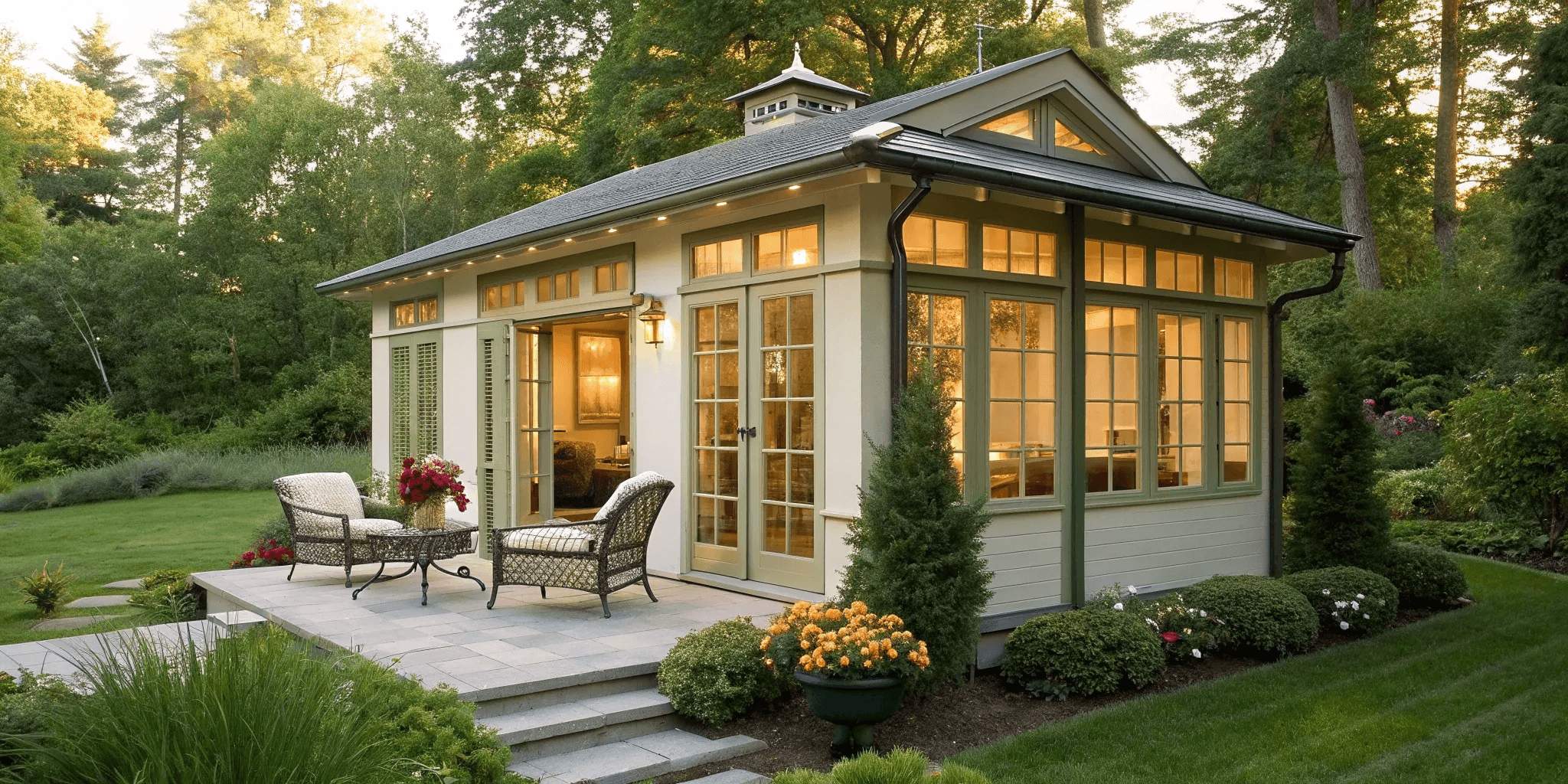
Key Takeaways
Find Your Perfect Fit with 1000 sq ft: This size hits the ideal balance between a comfortable, fully-functional home and a structure that fits well on most properties, offering incredible flexibility for family, work, or rental income.
Make Smart Design Choices to Maximize Space: A great floor plan is about more than size; it's about creating an open, airy feel. Use open-concept layouts, large windows for natural light, and integrated storage to make your ADU feel expansive and uncluttered.
Build for the Future, Not Just the Present: Think long-term by choosing adaptable layouts, accessible design features, and high-quality materials. This forward-thinking approach ensures your ADU remains a valuable and functional asset as your needs change over time.
Why a 1000 sq ft ADU is the Perfect Fit
When it comes to adding an Accessory Dwelling Unit (ADU) to your property, size is one of the first big decisions. While options range from tiny studios to larger structures, a 1000 sq ft ADU often hits the perfect balance. It’s substantial enough to feel like a true home yet compact enough to fit comfortably on most Silicon Valley properties. This size offers an incredible amount of flexibility, whether you’re looking to create a private retreat for family, a functional workspace, or a source of rental income. Let’s look at what makes this size so appealing.
The Sweet Spot for Modern Living
A 1000 sq ft ADU provides enough room to live comfortably without the upkeep of a larger house. It’s the ideal canvas for an open-concept design that feels spacious and inviting. This size celebrates flexibility, allowing for distinct living, dining, and sleeping areas without needing hard boundaries. With thoughtful design, like large windows and high ceilings, you can create a bright, airy atmosphere that feels much larger than its footprint. It’s less of an accessory and more of a complete, thoughtfully designed home that complements your main residence. A great home remodeling project ensures the style flows seamlessly between both structures.
Flexible Options for Family, Guests, or Renters
One of the biggest advantages of a 1000 sq ft ADU is its versatility. This footprint can comfortably accommodate two or even three bedrooms, making it perfect for a small family, aging parents, or long-term guests. You can also design flexible layouts that include a home office or a multi-purpose room. As your needs evolve, the space can adapt. What starts as a guesthouse can later become a home for your adult children or a high-demand rental unit. With smart design and modern amenities, you can create a space that serves your family for years to come.
A Smart Investment in Your Property
Beyond the immediate lifestyle benefits, building an ADU is a sound financial decision. Adding a 1000 sq ft living space can significantly increase your property's value, making it a powerful investment in your future. In a competitive market like the Bay Area, an ADU also gives you the chance to earn extra income if you decide to rent it out. This rental income can help offset the building costs or provide a steady stream of passive revenue. It’s a practical way to make your property work for you, adding both functional space and long-term financial security.
What Makes a Great 1000 sq ft Floor Plan?
A truly great 1000 sq ft floor plan does more than just fit everything you need into a compact space—it creates a home that feels spacious, functional, and completely tailored to your lifestyle. It’s all about smart, intentional design that maximizes every square foot. When you get the layout right, you’re not just building a unit; you’re creating a comfortable and inviting home that enhances your property and your daily life.
The key is to think beyond the basics. A successful plan considers traffic flow, natural light, and how you’ll actually live in the space day-to-day. It’s about creating distinct zones for living, working, and relaxing without making the home feel cramped or divided. With a thoughtful approach, you can build an ADU that feels surprisingly expansive and perfectly suited for family, guests, or renters. A well-designed space is the foundation of any successful home remodeling project, and an ADU is no exception.
Create an Open, Airy Feel
The secret to making 1000 sq ft feel larger is an open-concept layout. By combining the kitchen, dining, and living areas into one cohesive space, you eliminate visual barriers and create a sense of flow. It's best to prioritize open layouts and high ceilings to create a spacious feel, even in a smaller footprint. This approach not only makes the main living area more inviting for entertaining but also allows natural light to travel further into the home, making everything feel brighter and more open. It’s about designing a space that breathes, where each area transitions seamlessly into the next.
Design Your Ideal Bedroom Layout
Your bedrooms should be peaceful retreats, and a smart floor plan can make that happen. A 1000 sq ft ADU can comfortably accommodate a spacious primary suite with a walk-in closet and an ensuite bathroom, giving you a private and luxurious space to unwind. The second bedroom can be thoughtfully designed to maximize comfort and functionality, with clever closet placement and windows that enhance the sense of space. By carefully considering the layout, you can ensure both rooms feel like restful sanctuaries, offering privacy and comfort without sacrificing square footage in your main living areas.
Plan a Smart Kitchen and Dining Area
The kitchen is often the heart of the home, and in an ADU, it needs to be both beautiful and highly efficient. Smart design and modern amenities are key to enhancing usability. An L-shaped or galley kitchen layout can maximize counter space and storage while maintaining an open feel. Integrating compact, high-performance appliances keeps the footprint small but the functionality high. For dining, consider a built-in breakfast nook, a kitchen island with seating, or a flexible dining area that flows into the living room. This ensures your kitchen is a practical workspace that’s also perfect for gathering.
Integrate Clever Storage
Effective storage is essential for keeping a smaller home feeling organized and uncluttered. Designing an Accessory Dwelling Unit under 1,000 square feet requires a thoughtful approach to ensure every square foot is utilized effectively, particularly when it comes to storage. Instead of relying on bulky furniture, integrate storage directly into the home’s design. Think floor-to-ceiling cabinetry in the kitchen, built-in shelving in the living room, platform beds with drawers, and closets with smart organizational systems. By planning for storage from the start, you can maintain the clean lines and open feel of your ADU.
Design for Multi-Purpose Use
Modern lifestyles demand flexibility, and a great ADU floor plan delivers it. The best 1000 sq ft designs celebrate flexibility, allowing for distinct "rooms" without hard boundaries, making it easier to adapt spaces for various needs. A spare bedroom can double as a home office with a stylish Murphy bed, or a nook in the living area can serve as a dedicated workspace. Using versatile furniture and creating adaptable zones allows the home to evolve with you. This forward-thinking approach ensures your ADU is not only functional for today but also ready for whatever the future holds.
Floor Plan Inspiration for Your ADU
A 1000-square-foot ADU is a fantastic canvas for creating a space that perfectly suits your needs. Whether you’re dreaming of a private retreat for family, a stylish rental unit, or a dedicated home office, the right floor plan is the key to making it all work. The beauty of this size is its versatility—it’s large enough to feel like a complete home but compact enough to encourage smart, intentional design.
Thinking about how you want to live in the space is the best place to start. Do you love hosting dinner parties? An open-concept kitchen and living area might be perfect for you. Do you need a quiet space to work from home? A two-story layout with a separate office could be the ideal solution. Exploring different styles will help you pinpoint the features that matter most. From efficient single-story homes to modern, light-filled spaces, there’s a layout that will feel just right. Let’s look at a few popular approaches to get your ideas flowing.
Efficient Single-Story Layouts
A single-story ADU is all about smart, seamless living. Designing a home on one level requires a thoughtful approach to ensure every inch of space is working hard for you. The goal is to create a floor plan that feels intuitive and open, not cramped. This often means creating clear pathways, using multi-functional furniture, and designing a layout that flows easily from one area to the next. These compact home designs are perfect for aging-in-place, hosting guests, or anyone who appreciates the simplicity and accessibility of having everything on one floor without sacrificing comfort or style.
Creative Two-Story Designs
If you want to maximize your living space on a smaller property footprint, a two-story ADU is an excellent choice. Going vertical allows you to create distinct zones for living and sleeping, which can be a huge plus for privacy. The ground floor can house an open kitchen and living area, while the upstairs can be dedicated to bedrooms and a bathroom. Many two-story ADU plans even include flexible layouts with space for a home office, a small den, or a third bedroom, giving you plenty of options to adapt the home to your changing needs over time.
Sleek, Modern Open Concepts
Open-concept floor plans are popular for a reason—they make any space feel larger, brighter, and more connected. By removing unnecessary walls between the kitchen, dining, and living areas, you create one large, inviting space that’s perfect for entertaining and daily life. These flexible living layouts often celebrate a minimalist aesthetic, amplified by large windows and glass doors that flood the interior with natural light. This approach allows you to define different "rooms" through furniture arrangement rather than hard boundaries, creating a sense of spaciousness and modern elegance.
Classic and Timeless Arrangements
Sometimes, you just want a home that feels like a home. Classic floor plans offer a familiar and comfortable living experience with a more traditional separation of spaces. A timeless 2-bedroom layout might feature a spacious primary suite on one side of the unit and a second bedroom on the other, with a central great room and kitchen in between. This arrangement provides excellent privacy and a clear, intuitive flow. It’s a functional and stylish choice that stands the test of time, offering a cozy and well-organized environment for you or your guests.
Designs with Contemporary Flair
A contemporary ADU is defined by clean lines, uncluttered spaces, and a focus on modern details. To make a smaller footprint feel grand, these designs often prioritize features like high ceilings, which draw the eye upward and create a sense of volume. Kitchens are typically compact yet highly functional, with sleek cabinetry and integrated appliances that save space without sacrificing performance. When you design your ADU floor plan, focusing on an open layout with these contemporary elements ensures the final space feels both sophisticated and incredibly livable, proving that great design isn’t about size, but about smart choices.
How to Make Your ADU Feel More Spacious
A 1000 sq ft ADU offers plenty of room to live comfortably, but smart design is what makes it feel truly expansive. The secret isn’t about adding square footage; it’s about using clever strategies to create a sense of openness and flow. By focusing on light, layout, and smart features, you can transform your ADU into a space that feels much larger than its footprint suggests. It’s a core principle we apply to every home remodeling project, proving that thoughtful design can make any space feel grand.
From maximizing natural light to connecting with the outdoors, every choice plays a role in shaping the perception of space. We’ll walk through five key techniques that help draw the eye outward and upward, reduce clutter, and establish a comfortable, airy atmosphere. These tips will help you create a floor plan that is not only functional but also feels bright, open, and incredibly inviting.
Let in the Natural Light
Nothing opens up a room quite like natural light. It erases shadows, highlights your home’s best features, and creates an instant feeling of spaciousness. Prioritize large windows and glass doors in your design to let sunlight pour in. Consider adding skylights in areas like the kitchen or bathroom to brighten spaces that might not have exterior walls. An open-concept layout is your best friend here, as it allows light to travel uninterrupted from one end of the ADU to the other. High ceilings also contribute by creating vertical volume, making the entire home feel more open and breathable.
Connect Your Indoor and Outdoor Spaces
Create a seamless transition between your living area and the outdoors to visually extend your space. Large sliding glass doors or bi-fold doors can open up an entire wall to a patio, deck, or garden, effectively making your outdoor area an extension of your living room. This is perfect for enjoying the beautiful California weather and makes the ADU feel much larger. This indoor-outdoor connection not only enhances the sense of space but also encourages a more relaxed, integrated lifestyle. It’s about blurring the lines between where your home ends and your yard begins.
Use Vertical Space to Your Advantage
When you can’t build out, build up. Drawing the eye upward is a classic trick for making a room feel taller and more spacious. You can achieve this with floor-to-ceiling shelving, tall cabinets in the kitchen, or even a lofted bed in a smaller bedroom. These elements maximize storage without taking up valuable floor space, which keeps the layout feeling uncluttered and open. Vertical storage solutions are not just practical; they also add a strong architectural element to the room, creating visual interest while maintaining an airy, organized feel.
Incorporate Smart Built-ins
Freestanding furniture can make a small space feel crowded. Custom built-ins are a fantastic solution because they integrate storage and function directly into the home’s structure. Think of a window seat with hidden drawers, a media center that frames the TV perfectly, or a built-in desk in a small nook. These features are tailored to your exact needs and dimensions, eliminating wasted space and reducing visual clutter. By designing furniture into the floor plan, you create a streamlined, cohesive look that makes the entire ADU feel more intentional and spacious.
Plan for Privacy
An open layout is great for spaciousness, but you also need quiet, private areas to retreat to. True comfort comes from having a balance of both. Forgetting this is one of the most common mistakes to avoid when designing an ADU. Thoughtful planning can create separation without making the space feel closed off. Consider using pocket doors that slide into the wall, which save the floor space a swinging door would require. You can also use partial walls, bookshelves, or even sound-dampening materials to create distinct zones. This ensures your ADU feels both open and intimate, giving you the best of both worlds.
Designing for Daily Life
A truly great ADU floor plan goes beyond square footage and room counts. It’s about creating a home that feels intuitive, comfortable, and perfectly suited to the rhythm of everyday life. When every design choice is made with intention, even a compact space can feel expansive and highly functional. From making daily chores easier to creating pockets of privacy and productivity, these thoughtful details are what transform a blueprint into a beautiful, livable space. A well-designed ADU is a testament to smart home remodeling, where every inch is optimized for comfort and convenience.
Add Accessible Design Features
Thinking about accessibility from the start makes your ADU more comfortable and valuable for everyone, now and in the future. This means incorporating universal design principles, like creating an open layout with wider doorways and hallways to allow for easy movement. Consider a single-level design with a no-step entry to eliminate barriers. In the bathroom, a walk-in, curb-less shower is both stylish and practical. These features not only support aging-in-place for family members but also make the space more welcoming for guests of all ages and abilities. It’s about creating a home that is fundamentally easy and safe to live in.
Seamlessly Integrate a Laundry Area
No one wants to haul laundry back and forth to the main house. Including an in-unit laundry area is a non-negotiable for making an ADU a truly independent home, especially for long-term tenants or family members. You don’t need a dedicated room to make it happen. A stackable washer and dryer can be tucked neatly into a closet or a bathroom alcove. All-in-one washer-dryer combos are another fantastic space-saving solution. By planning for this essential feature, you add a layer of convenience that significantly improves daily life and makes the ADU far more appealing as a full-time residence.
Carve Out a Dedicated Workspace
With remote work becoming a permanent part of many lives, a dedicated workspace is more important than ever. In a 1000 sq ft ADU, this doesn't have to mean a separate office. You can create a functional and focused work zone by getting creative with your layout. Consider a built-in desk in a quiet nook, a flexible corner of the living room with good lighting, or a Murphy bed in a second bedroom that allows the space to double as an office during the day. The key is to establish a distinct area for work, helping to create a healthy separation between professional and personal time.
Maximize Kitchen Efficiency
The kitchen is often the heart of the home, and your ADU’s kitchen should be no exception. An efficient layout is crucial for making the space feel larger and more functional. Think about a smart work triangle that keeps the sink, stove, and refrigerator within easy reach. Opt for apartment-sized appliances to save space without sacrificing performance. If the layout allows, a kitchen island can be a game-changer, providing extra counter space for meal prep, casual dining, and storage. A well-designed kitchen makes cooking a pleasure rather than a chore, even in a compact footprint.
Get Creative with Storage
Thoughtful storage is the secret to keeping a smaller home feeling open, airy, and clutter-free. The key is to look beyond traditional closets and utilize every available inch. Think vertically with floor-to-ceiling cabinetry in the kitchen and built-in shelving in the living area. Choose multi-functional furniture, like a coffee table with hidden storage or a bed frame with built-in drawers. Custom built-ins can transform awkward corners into highly effective storage solutions. By planning for storage from the beginning, you ensure there’s a designated place for everything, making it easy to maintain a tidy and serene living environment.
Future-Proofing Your ADU Design
Building an ADU is a significant investment in your property's future. To make sure it serves you well for years to come, it’s smart to think about long-term functionality right from the start. A future-proof design isn't about predicting trends; it's about making intentional choices that prioritize durability, efficiency, and adaptability. By focusing on quality materials, smart technology, and flexible layouts, you can create a space that not only meets your needs today but can also evolve with you through every stage of life. This forward-thinking approach ensures your ADU remains a valuable, comfortable, and relevant asset for decades.
Choose Sustainable, High-Quality Materials
When you're building an ADU, you're creating a long-term asset for your property. That's why selecting materials that are built to last is so important. Think beyond today's trends and focus on timeless, durable finishes. High-quality flooring, sturdy cabinetry, and resilient countertops will not only look better for longer but will also save you from the hassle and cost of frequent replacements. Opting for sustainable materials like reclaimed wood or recycled composites is also a fantastic way to reduce your environmental footprint. A well-built space starts with a solid foundation of quality materials, ensuring your ADU remains a beautiful and functional part of your home remodeling project for years to come.
Incorporate Energy-Efficient Systems
An energy-efficient ADU is a win-win: it’s better for the planet and your wallet. By incorporating smart systems from the start, you can significantly lower long-term utility costs. This means thinking about high-performance windows that keep the heat in or out, excellent insulation in the walls and ceiling, and energy-saving appliances. You could even consider installing solar panels to make the unit more self-sufficient. These features create a more comfortable living environment year-round, maintaining a consistent temperature without constantly running the heat or AC. Prioritizing energy efficiency isn't just a trend; it's a practical investment in the value and sustainability of your new space.
Integrate Smart Home Technology
Smart home technology is no longer a futuristic luxury—it's a practical feature that adds convenience and security to modern living. Integrating these systems into your ADU design can make the space more appealing and easier to manage. Imagine being able to control the lights, thermostat, and security cameras from a single app. Smart thermostats learn your schedule to optimize heating and cooling, saving energy without you having to think about it. Automated lighting can enhance security and convenience, while smart locks provide keyless entry for family or renters. These thoughtful additions make daily life simpler and can be a major selling point, adding significant value and modern appeal to your ADU.
Plan for Aging-in-Place
One of the most powerful aspects of an ADU is its ability to adapt to life's changes, and planning for aging-in-place is a key part of that. By incorporating universal design principles, you create a space that is safe, comfortable, and accessible for everyone, regardless of age or mobility. This can include simple but impactful features like a single-story layout with no stairs, wider doorways to accommodate walkers or wheelchairs, and a zero-threshold shower for easy entry. Thoughtful details like grab bars in the bathroom and lever-style door handles make a world of difference. Designing with accessibility in mind ensures your ADU can comfortably house aging parents or yourself in the future.
Ensure Your Design is Adaptable
Life isn't static, and your ADU's design shouldn't be either. A future-proofed space is one that can easily adapt to your changing needs. Instead of rigid, single-purpose rooms, think about creating flexible zones. An open-concept layout allows a living area to flow into a workspace or dining nook. A spare room could serve as a guest bedroom one year and a home gym the next. You can use furniture like bookcases or folding screens to create separation without building permanent walls. This kind of adaptability is at the heart of a custom home build, where the layout is designed to support your lifestyle today and tomorrow. A flexible design ensures your ADU remains useful and valuable for decades.
What to Know Before You Build
Once you have a vision for your ADU, it’s time to get into the practical details. Thinking through the logistics before breaking ground is the single best thing you can do to ensure your project runs smoothly from start to finish. Building an ADU involves more than just choosing a floor plan; it’s about understanding how that new structure will integrate with your property, your neighborhood, and your lifestyle.
From navigating local building codes to planning for utility hookups, each step requires careful consideration. It’s easy to get caught up in the excitement of design, but a little prep work now saves a lot of headaches later. Taking the time to assess your property’s unique characteristics and anticipate potential hurdles will set you up for success. This foundational work ensures that your new space is not only beautiful and functional but also safe, compliant, and built to last. Working with a team that understands the complete home remodeling process can make all the difference, turning a complex project into a streamlined and rewarding experience.
Understand Local Regulations
Before you get too attached to a specific design, it’s crucial to understand the rules in your area. Every city in Silicon Valley, from San Jose to San Francisco, has its own set of regulations for ADU construction. These rules cover everything from how large your ADU can be to how far it must be set back from your property lines. They also dictate requirements for things like parking and building height. These regulations are in place to ensure new units fit into the community safely and sustainably. Getting familiar with your local guidelines is the first step in turning your ADU dream into a reality.
Assess Your Property's Potential
Your backyard is a blank canvas, but it has its own unique features and constraints. A thorough property assessment will help you determine the best location and orientation for your 1000 sq ft ADU. Consider factors like the slope of your land, the location of mature trees, and where you can get the best natural light. Designing an ADU requires a thoughtful approach to make sure every square foot is used effectively. A careful site evaluation will reveal the ideal placement to maximize privacy, accessibility, and the overall flow between your main home and the new unit, ensuring the final result feels like a natural extension of your property.
Plan for Utilities
One of the most overlooked aspects of ADU construction is connecting the new unit to essential utilities. Your ADU will need its own plumbing, electrical, and HVAC systems, and they all have to connect to your main home’s infrastructure. The location of your existing sewer lines and electrical panel can significantly influence where you can build and may impact your budget. Planning for these connections early in the process is key to avoiding unexpected delays and costs. Thinking through the logistics of your utility hookups from the start ensures your ADU will be comfortable and fully functional from the moment it’s finished.
Prepare for Common Hurdles
Every construction project has its challenges, and for ADUs, the biggest one is often the permitting process. Getting government approval can be a lengthy and complex undertaking, involving detailed applications and reviews. Many homeowners find this part of the process overwhelming, but it’s a necessary step to ensure your ADU is built to code and is legally recognized. While it requires patience, being prepared for the timeline can help manage expectations. Working with an experienced team that can handle the paperwork and city communications for you will make the entire experience feel much more manageable.
Explore Your Customization Options
This is where the fun begins. A 1000 sq ft ADU provides an incredible opportunity to create a space that perfectly reflects your style and meets your needs. When designing your floor plan, you can prioritize features like open layouts, high ceilings, and a compact yet functional kitchen to create a spacious feel. Think about how you want to live in the space. Do you need a dedicated home office, extra storage, or a large living area for entertaining? This is your chance to build a custom home on a smaller scale, tailoring every detail to enhance functionality and comfort.
How to Choose Your Perfect Floor Plan
With so many possibilities, finding the right floor plan can feel like the biggest decision you'll make. But it doesn't have to be overwhelming. The key is to think about how you want to live in the space, both now and in the future. A great floor plan is more than just lines on a page—it’s the blueprint for a comfortable, functional, and beautiful home. By focusing on your priorities, from the overall flow to the smallest details, you can confidently select a design that truly fits your lifestyle. Let's walk through the essential steps to find the perfect layout for your ADU.
Evaluate Different Layouts
Start by exploring a variety of floor plans to see what resonates with you. Pay close attention to how the space flows from one area to the next. To create a spacious feel, even in a smaller footprint, prioritize open layouts, high ceilings, and compact yet functional kitchens. An open concept can make your 1000 sq ft ADU feel expansive and bright, perfect for entertaining or family life. On the other hand, a more traditional layout with defined rooms might offer more privacy and designated quiet zones. Consider your daily routines and how different arrangements would support them.
Tips for Smart Space Planning
Designing an ADU under 1,000 square feet requires a thoughtful approach to ensure every inch is used effectively. One of the most common mistakes is not accounting for natural light, storage, and the overall flow of the space. Before you commit to a plan, walk through it in your mind. Where will the sun be in the morning? Is there a clear path from the kitchen to the dining area? Does the layout include enough closet and cabinet space? Smart space planning is about more than just fitting in furniture; it’s about creating a home that feels intuitive and effortless to live in.
Consider Long-Term Flexibility
Your needs might change over time, and a great ADU design should be able to adapt. A 1000 sq ft layout offers wonderful flexibility, allowing for distinct "rooms" without hard boundaries. Think about how the space could evolve. A home office could become a nursery, or a guest room might later serve as a living space for an aging parent. By choosing a versatile floor plan, you’re making a smart investment in your property’s future. Look for designs with multi-purpose rooms or open areas that can be easily reconfigured as your life changes.
Ensure Privacy in Your Design
Privacy is essential for both the main house and the ADU. Not accounting for it can lead to uncomfortable living situations, so it’s important to consider it from the very beginning. Think carefully about window placements to avoid direct lines of sight between the two homes. You can also use landscaping, fencing, or a thoughtfully designed entryway to create a sense of separation. Planning for a private outdoor area, like a small patio or deck, can also give ADU occupants their own personal retreat and make the space feel much more like a standalone home.
Get Professional Guidance
Bringing your vision to life requires expertise, especially when it comes to local regulations and building codes. Selecting a builder who is familiar with ADU requirements in your area ensures they can handle any unique challenges that come up. A design-build firm can help you refine your ideas, customize a floor plan to suit your property, and make sure the final result is both beautiful and compliant. Working with a professional team on your home remodeling project provides peace of mind and helps you create a space that meets the highest standards of quality and craftsmanship.
Related Articles
Frequently Asked Questions
How many bedrooms can I comfortably fit in a 1000 sq ft ADU? A 1000 sq ft footprint is wonderfully versatile. Most commonly, this size comfortably accommodates two spacious bedrooms, often including a primary suite with its own bathroom and walk-in closet. It's also possible to design a three-bedroom layout, which works well if the rooms are more compact or include clever solutions like built-in storage. The choice really depends on your priorities—fewer, larger rooms or more, smaller rooms.
My backyard isn't huge. Will a 1000 sq ft ADU overwhelm my property? This is a common concern, but smart design can make all the difference. A 1000 sq ft ADU doesn't have to mean a massive footprint on your land. A two-story design, for example, can give you all that living space on a much smaller section of your yard. Thoughtful placement, landscaping, and integrating the ADU with outdoor living areas like a patio can also make it feel like a natural part of your property rather than an intrusion.
How can I ensure the new ADU has privacy from my main home? Creating a sense of separation is key to making both homes feel comfortable. This starts with the floor plan itself, by carefully placing windows and doors to avoid direct sightlines into each other's living spaces. We also look at the orientation of the ADU on your property and can use strategic landscaping, fencing, or a separate, private entrance to establish a clear boundary and give everyone their own personal space.
Do I have to choose an open-concept floor plan? Not at all! While open-concept layouts are popular for making a space feel bright and expansive, they aren't the only option. If you prefer a more traditional home with distinct rooms, a 1000 sq ft ADU can absolutely be designed that way. A layout with a separate kitchen or a defined living room can create a cozy, classic feel and offer more privacy between different activities. The best floor plan is always the one that fits how you want to live.
I'm interested, but the process seems complicated. What's the first real step I should take? The best first step is to talk with a design-build professional. Before you get lost in floor plans, an expert can assess your property, explain the specific regulations for your city, and help you understand what's realistically possible. This initial consultation clarifies the path forward and helps you set a solid foundation for your project, turning a complex process into a series of manageable steps.

